It was 70° F when we landed in Tucson, with the sun shining bright and not a cloud in the sky. Even for southern Arizona, this was beautiful weather for January. But I have to admit, coming from the cold, gray skies of Virginia, the warmth was very welcome. Arizona’s glowing sun seemed to be inviting us to explore the outdoors during our quick visit, so we took advantage of the mild weather to do a little birding and sightseeing.
Southeast Arizona has a lot of natural beauty, and is also one of the best birding regions in the country. Many bird species reach the northern limits of their ranges in this area, while many others make this area their southern, wintering grounds. Theresa and I had just enough time to briefly visit a few separate, but completely different, areas to search for birds and investigate some unique ecosystems. We knew that January wasn’t the ideal time of the year to see many of the unique species that attract thousands of birders each year, but you get away when you can!
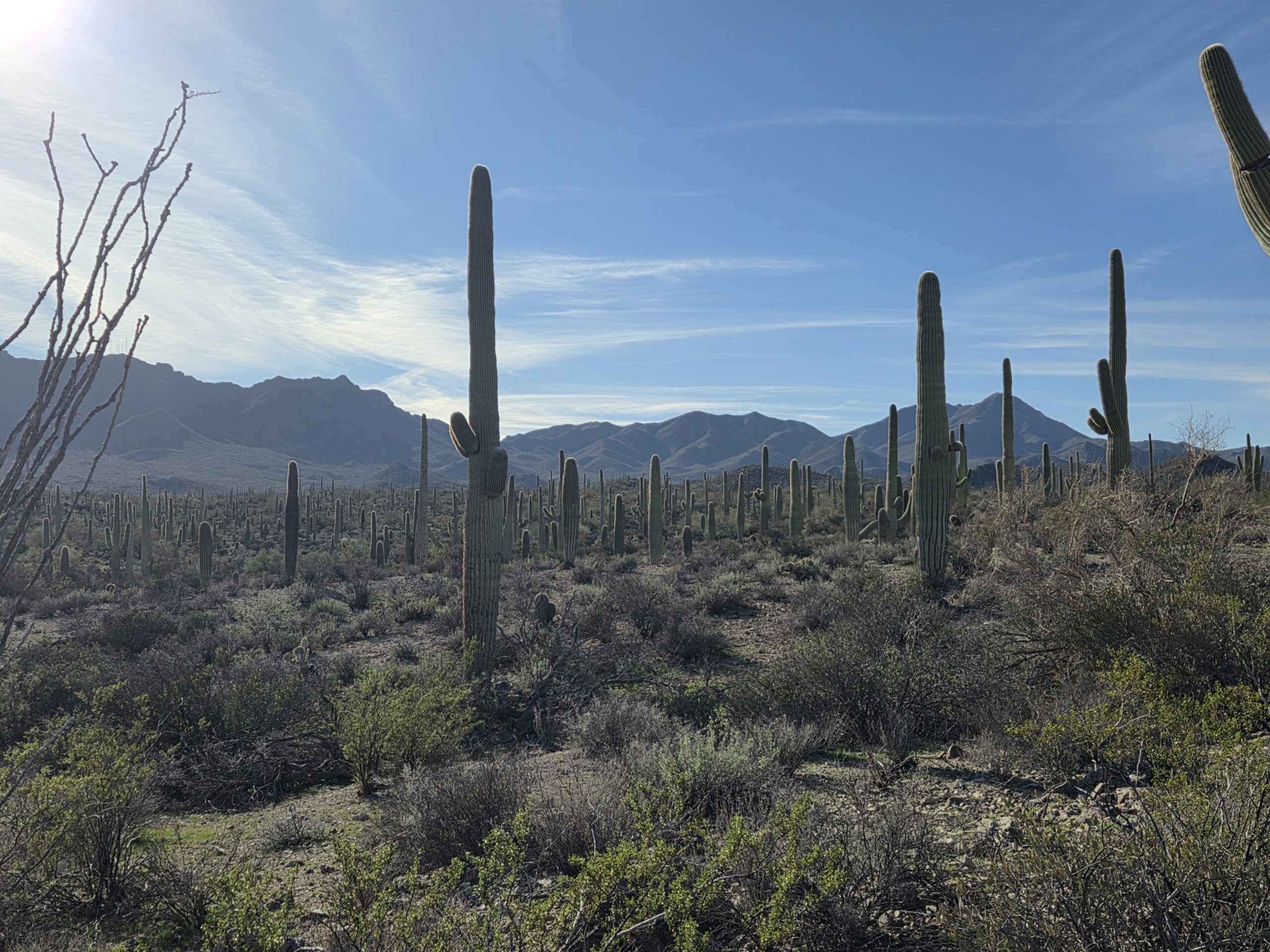
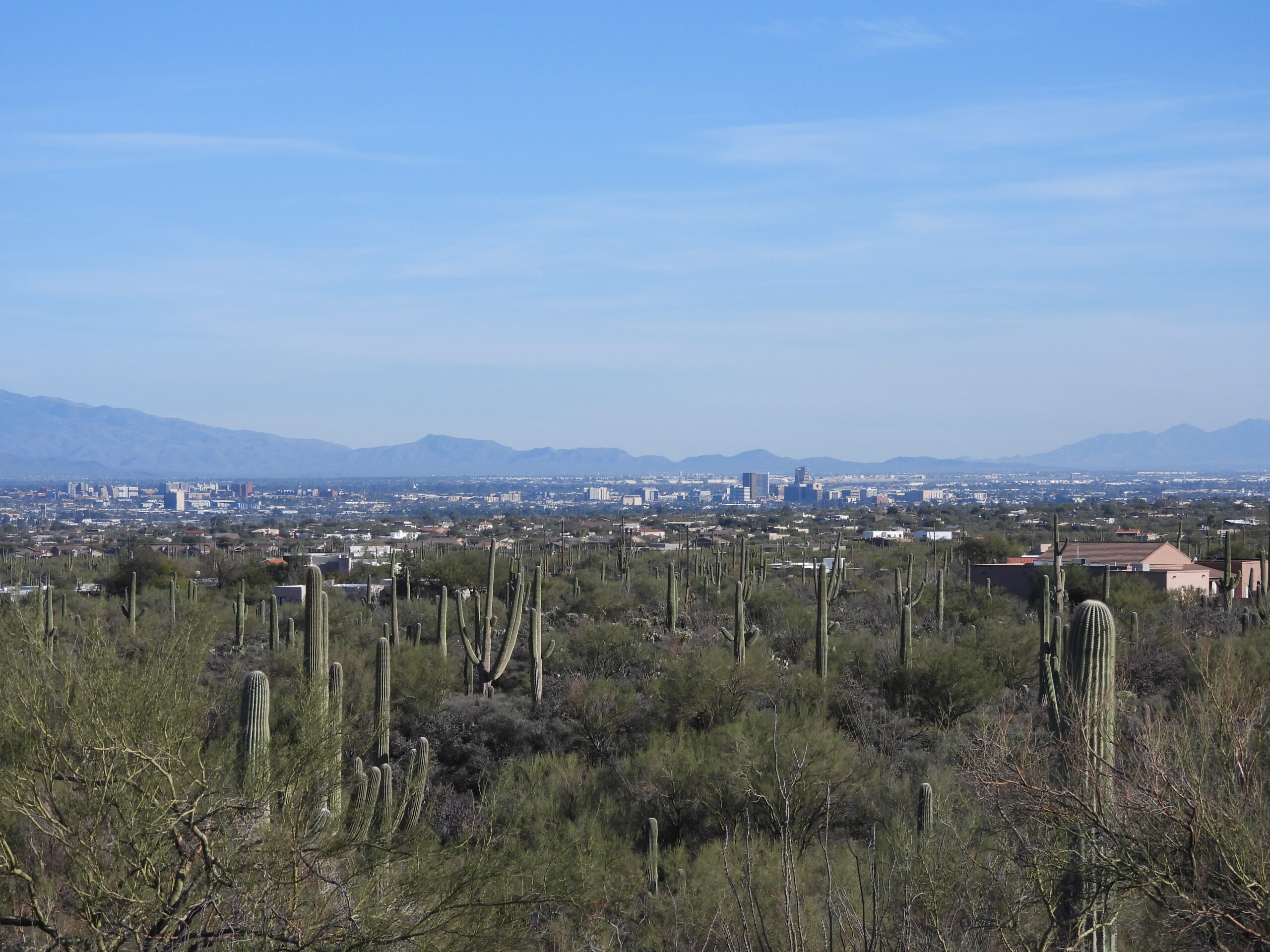
Staying with friends, our “home base” was just north of Tucson, on the edge of the Sonoran Desert. Since my dad lived here for over 30 years, we’ve had the opportunity to visit here many times in the past. There’s something magical about this landscape, with its towering Saguaro Cactus, bright green Palo Verde trees, thorny Ocatillo plants and many other species of cactus such as Cholla, Prickly Pear and Barrel to name a few. Hidden birds sing from the thick, prickly underbrush, while others call from the top of the giant Saguaros. Contrary to what many people think, the desert is alive with diversity and beauty, even in the winter!
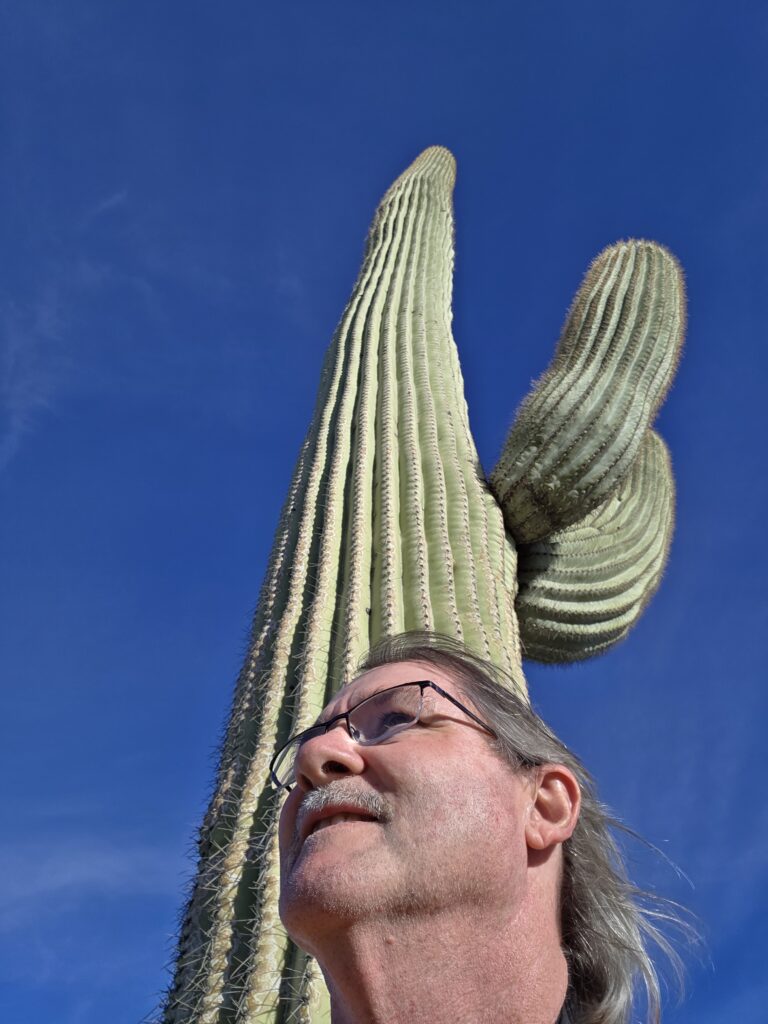
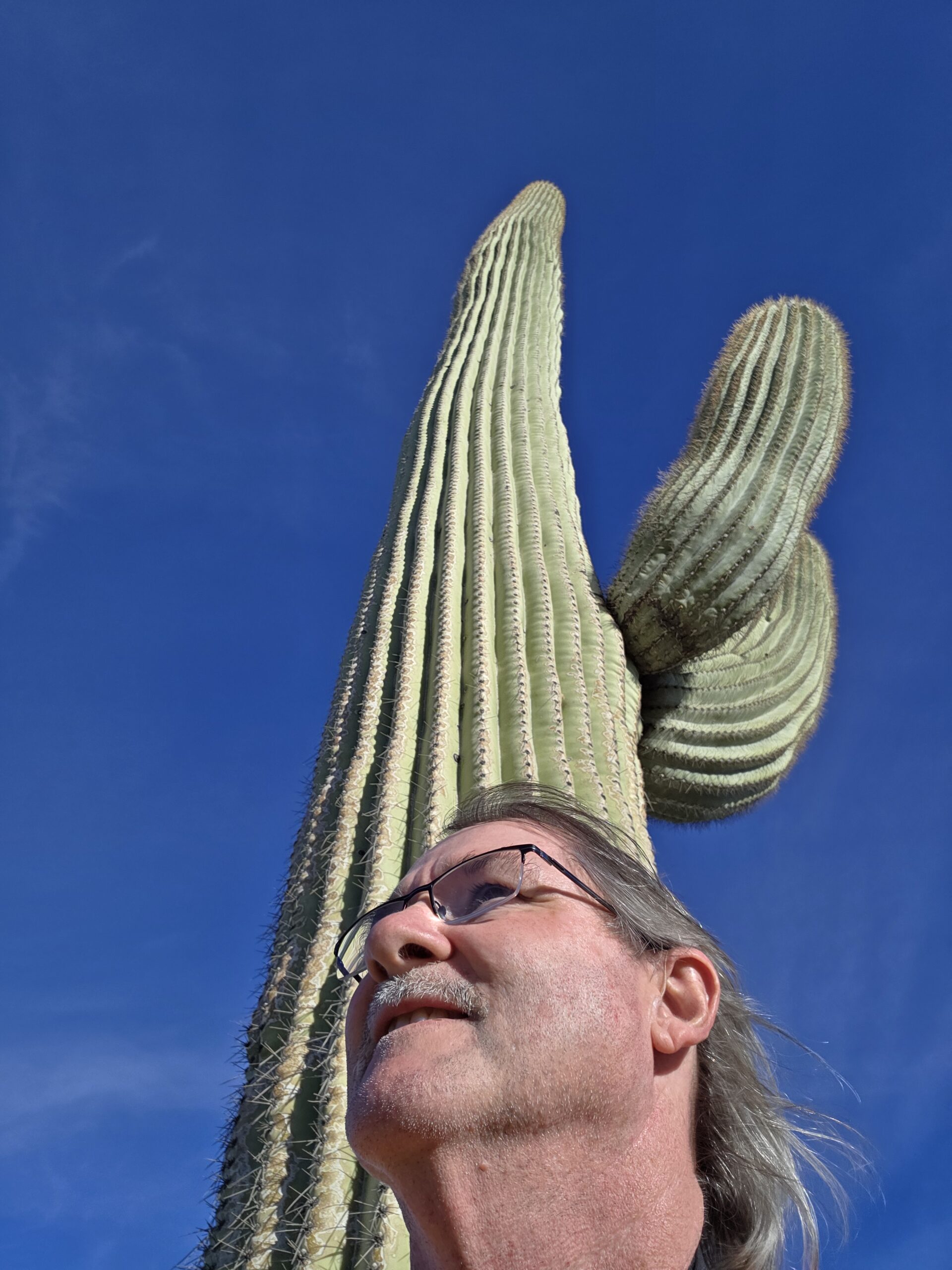
Standing near a giant Saguaro Cactus 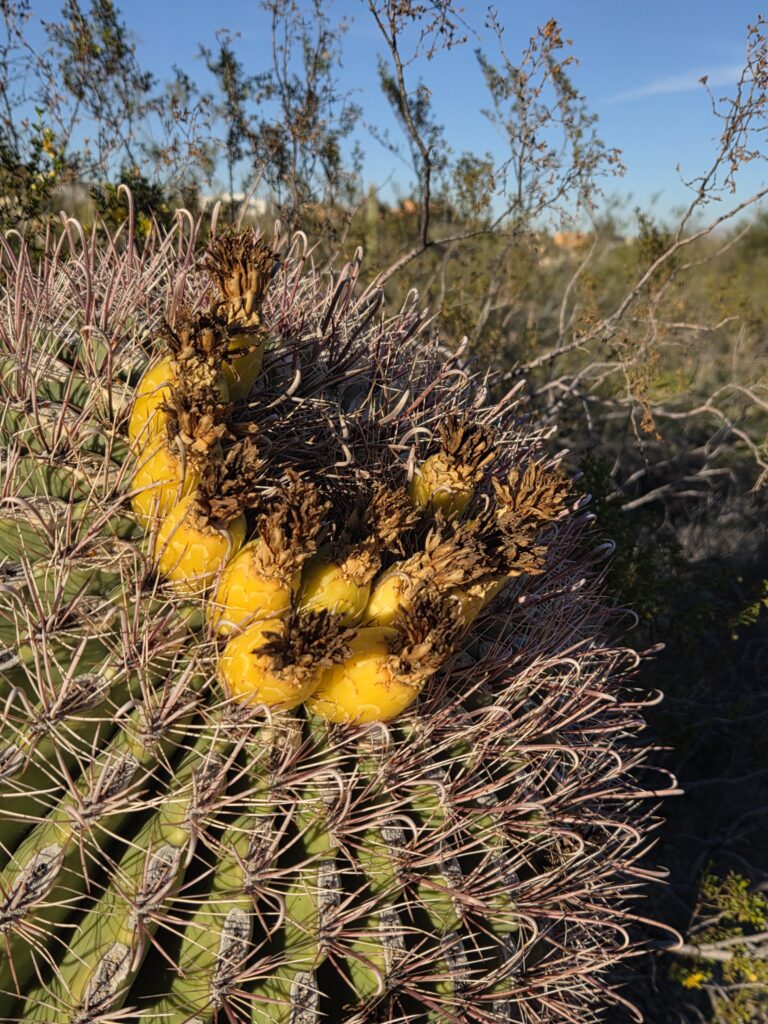
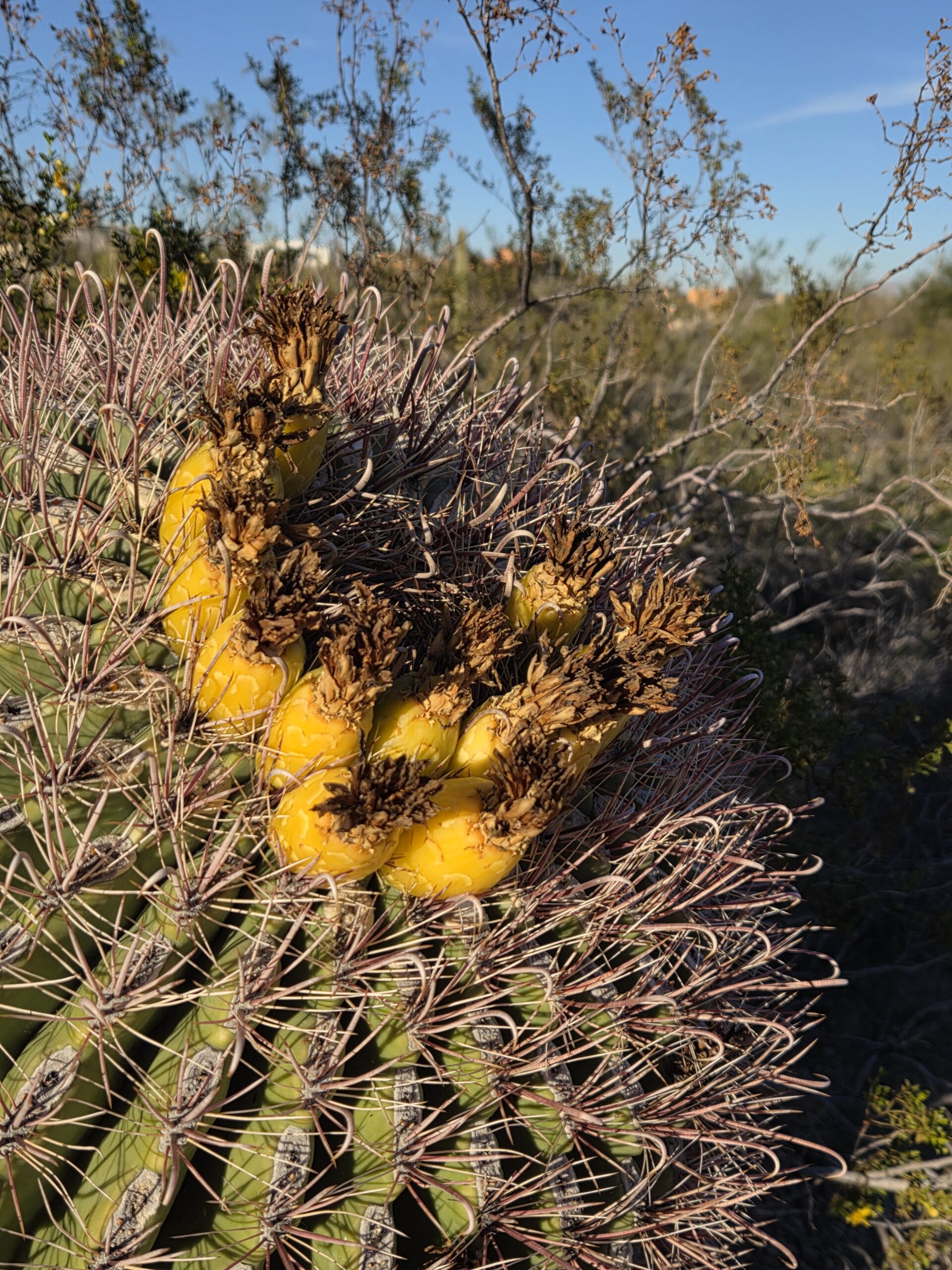
the fruit of the Barrel Cactus
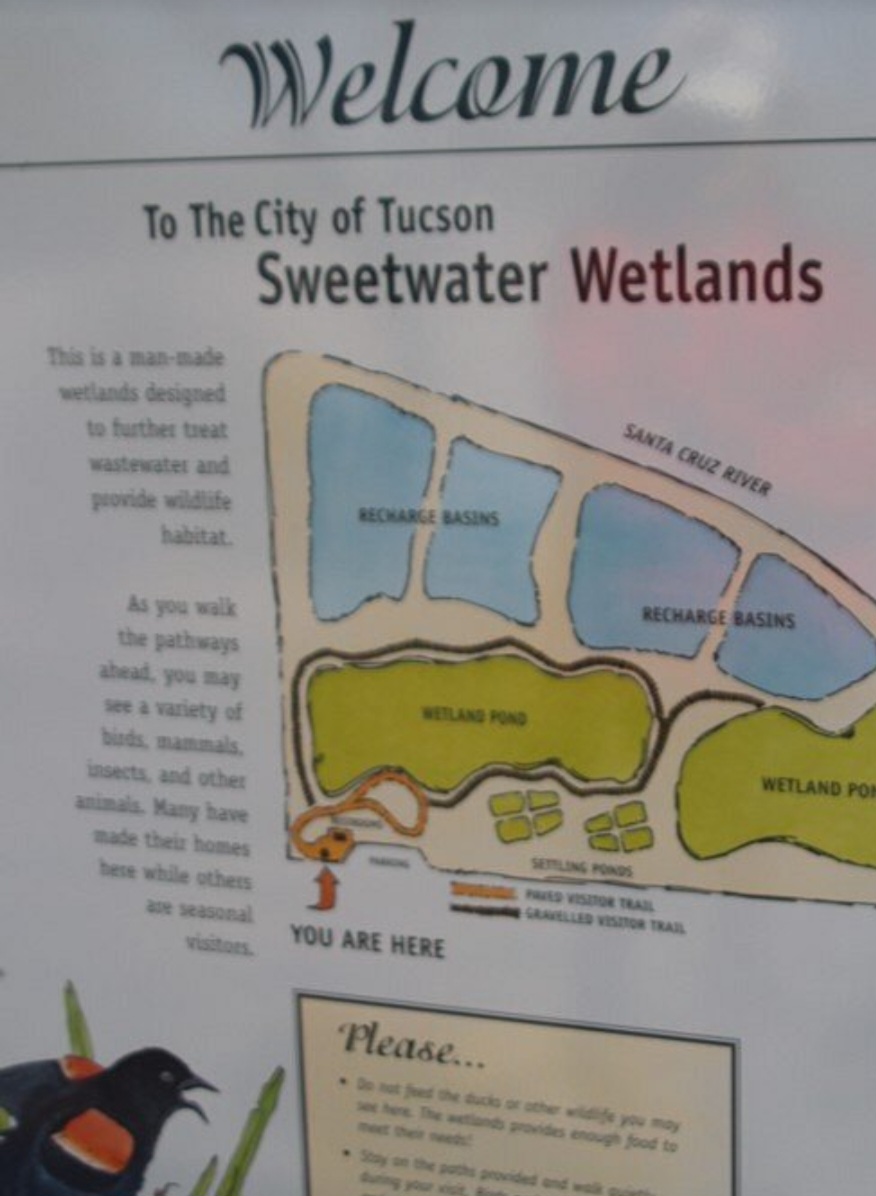
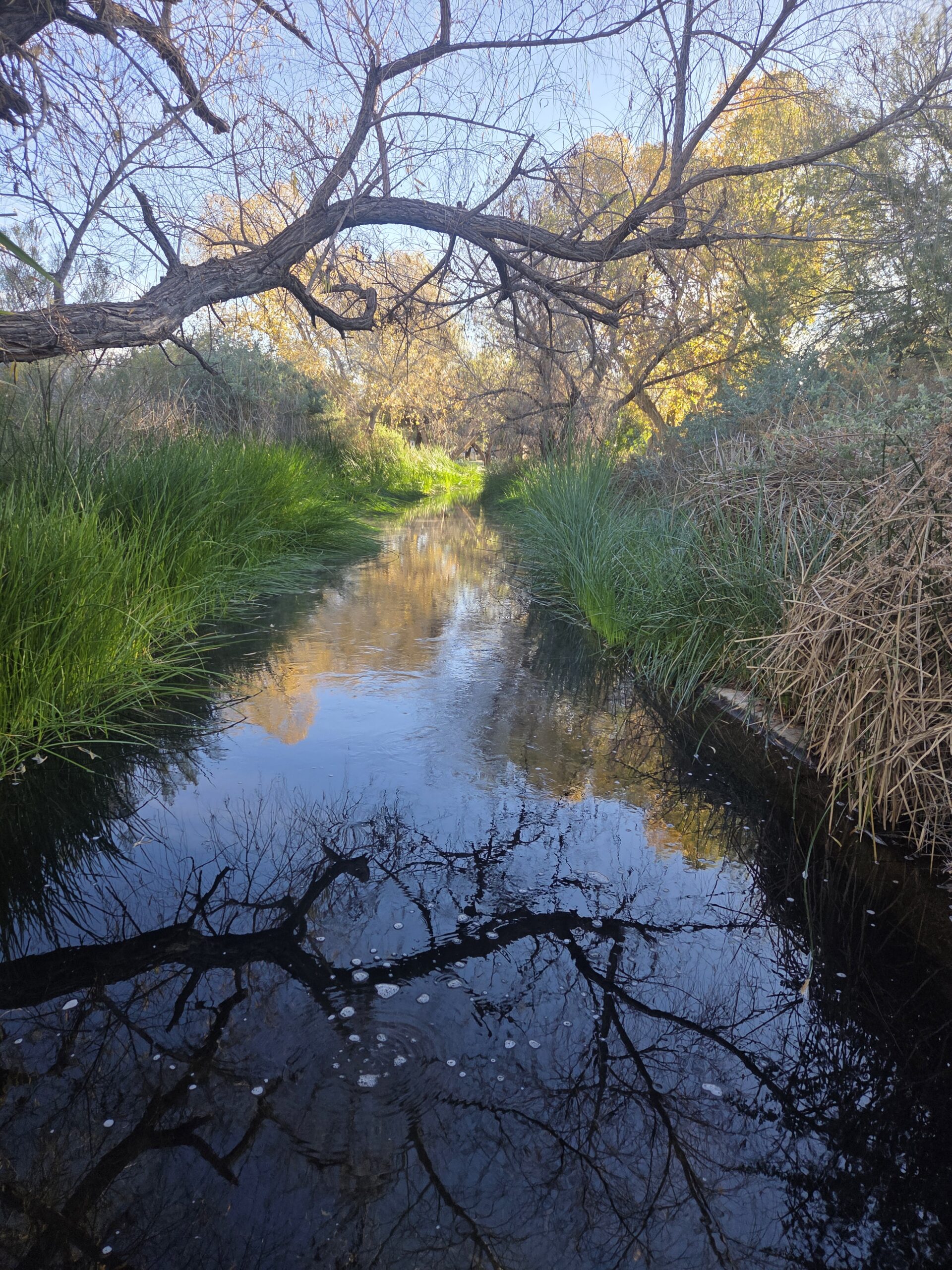
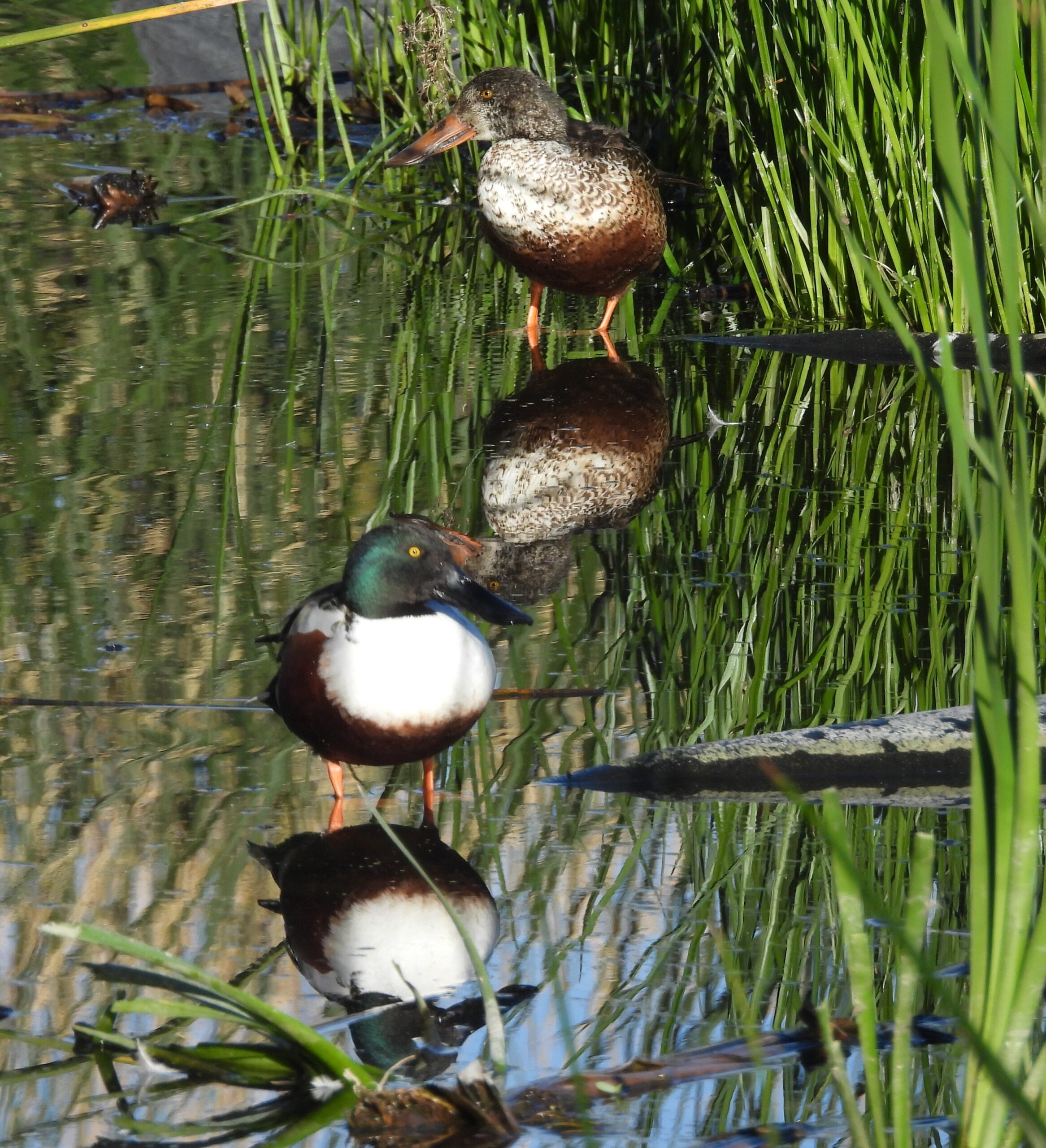
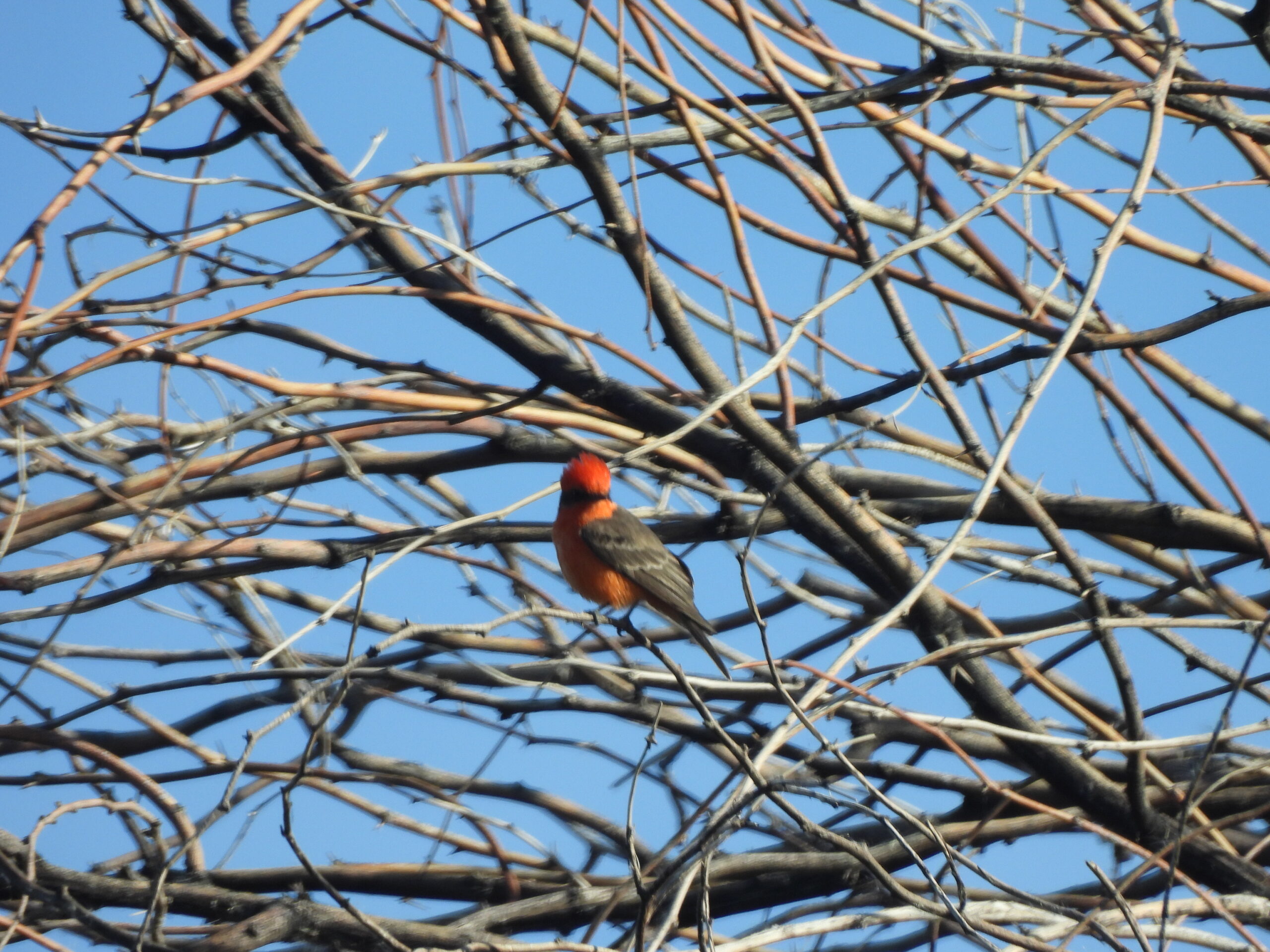
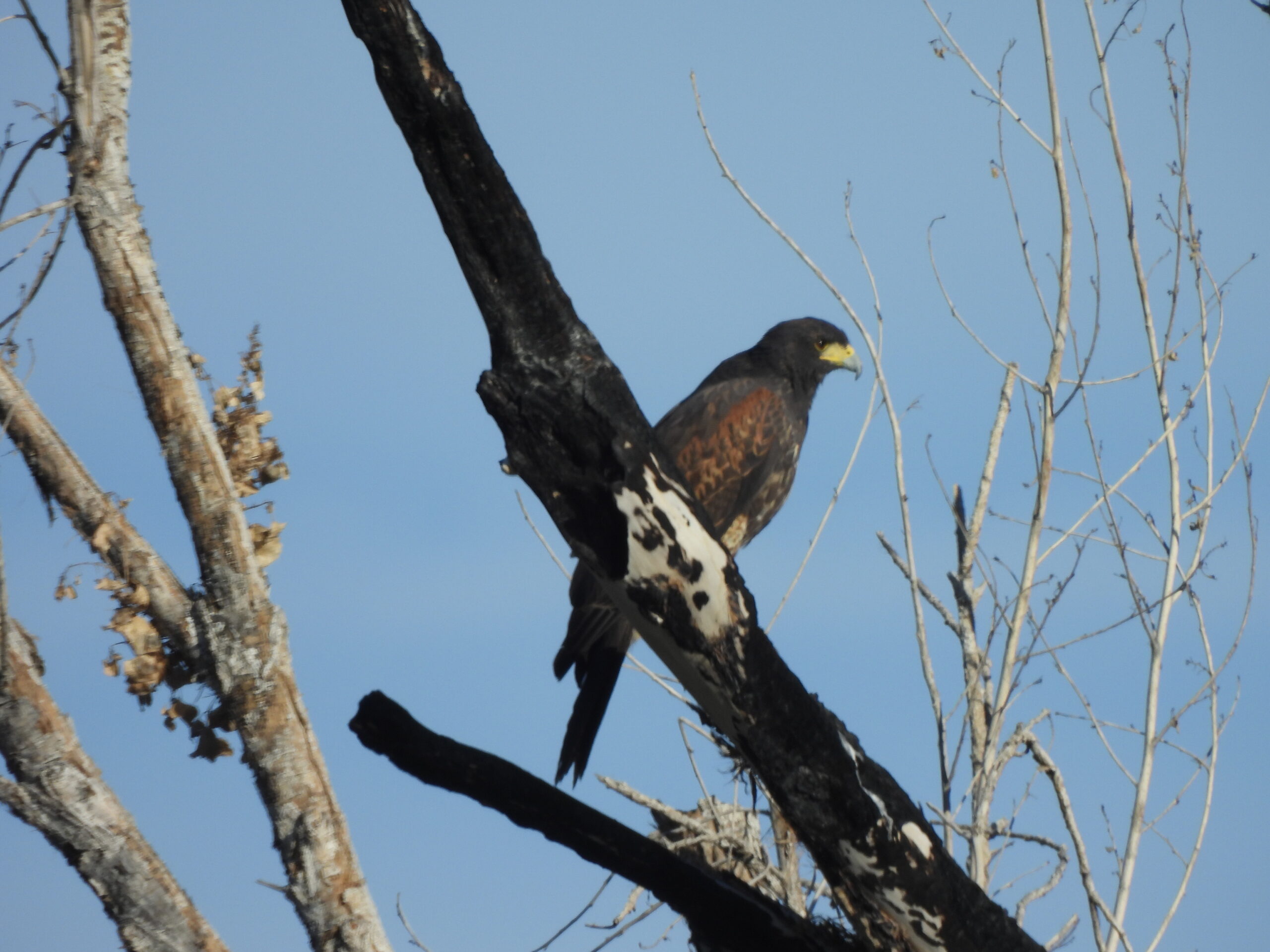
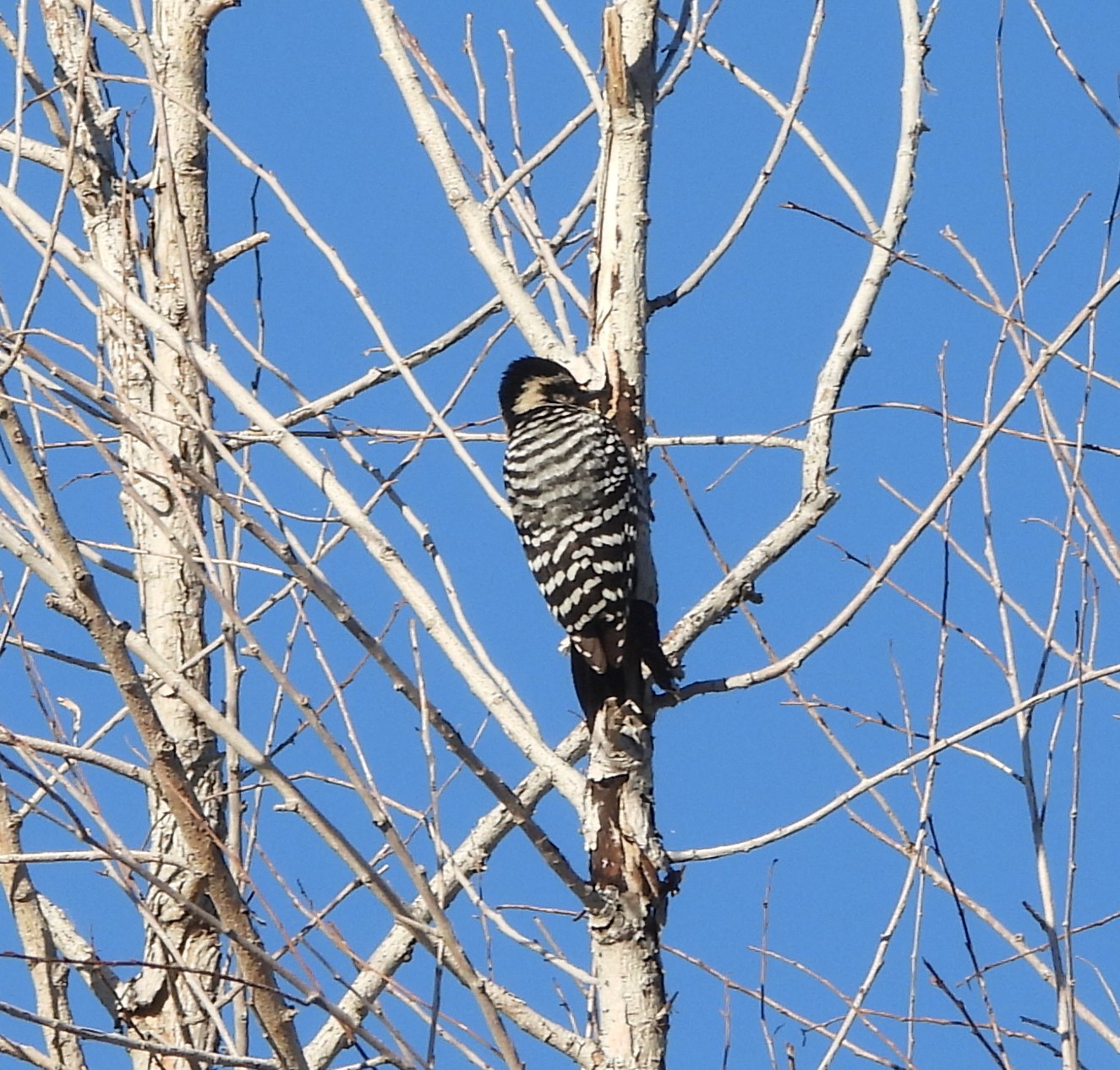
Our first stop was at Sweetwater Wetlands, a local park owned by the City of Tucson. The wetlands are artificially created by using treated wastewater, and is a very popular spot for birders since it attracts a large variety of waterfowl, raptors and many songbirds. It was a beautiful morning when Theresa and I took a 1.5 hour walk around the park. We spotted almost 40 species, along with a Coyote that looked like it had mange. Our bird highlights that morning included Vermillion Flycatcher, Abert’s Towhee, Harris’s Hawk, Cooper’s Hawk, Northern Flicker (Red-shafted) and a Ladder-backed Woodpecker.
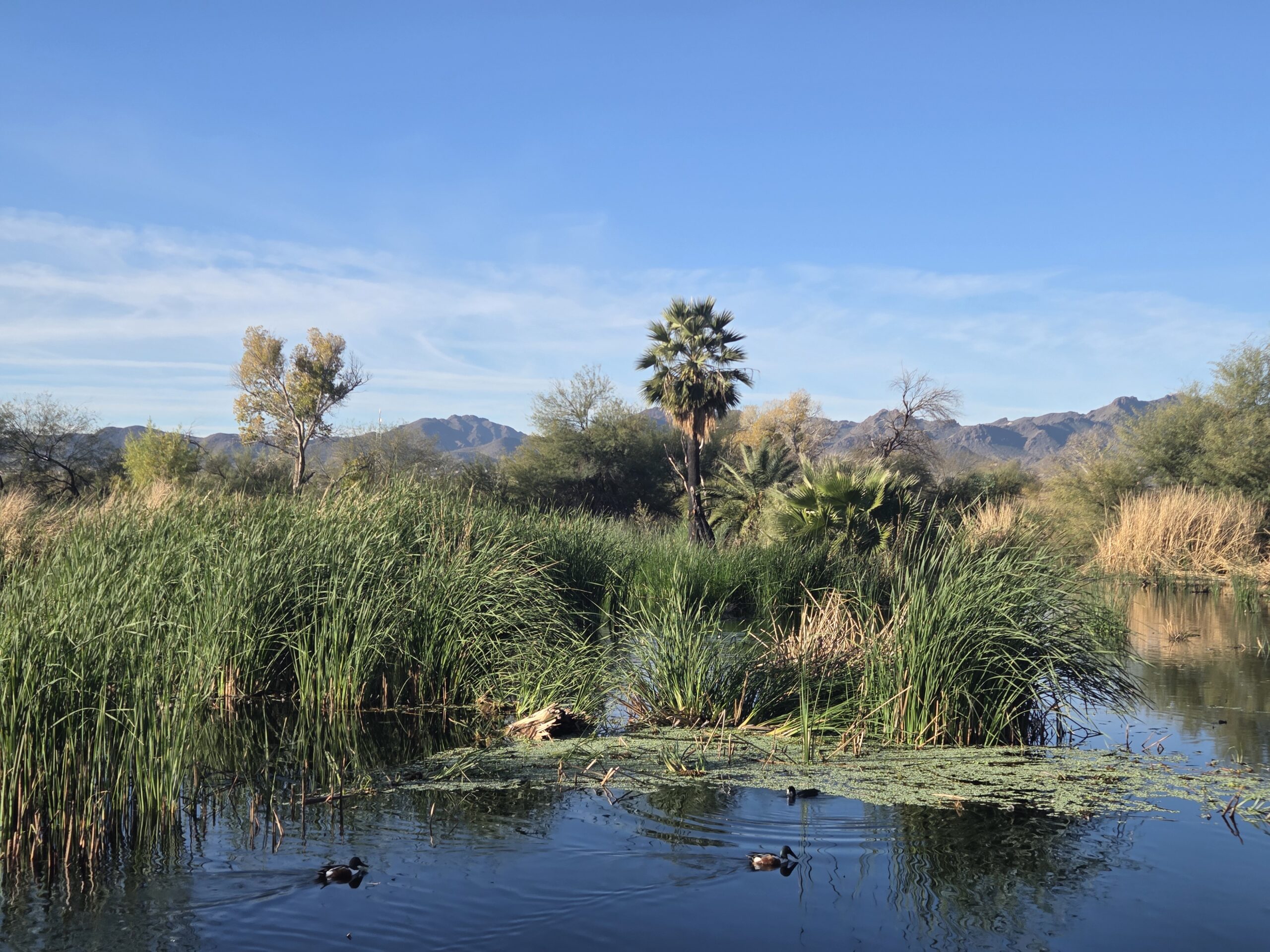
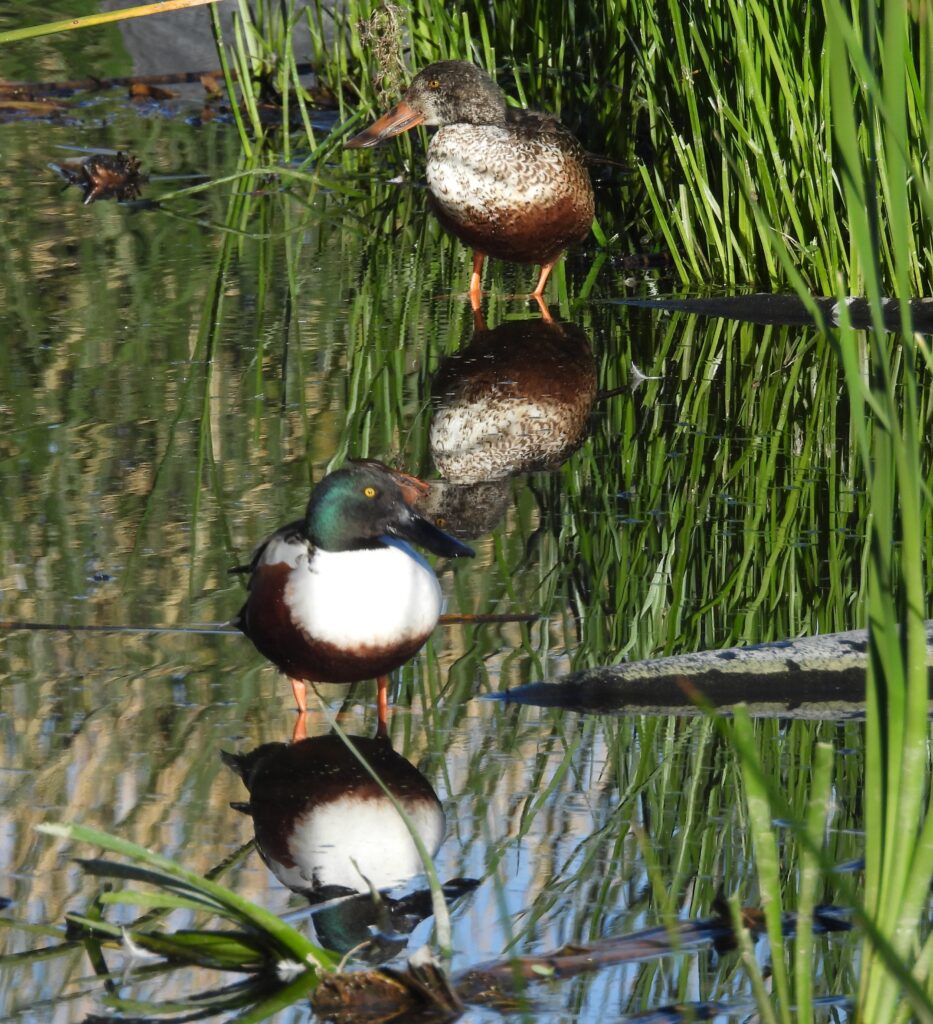
Northern Shovelers 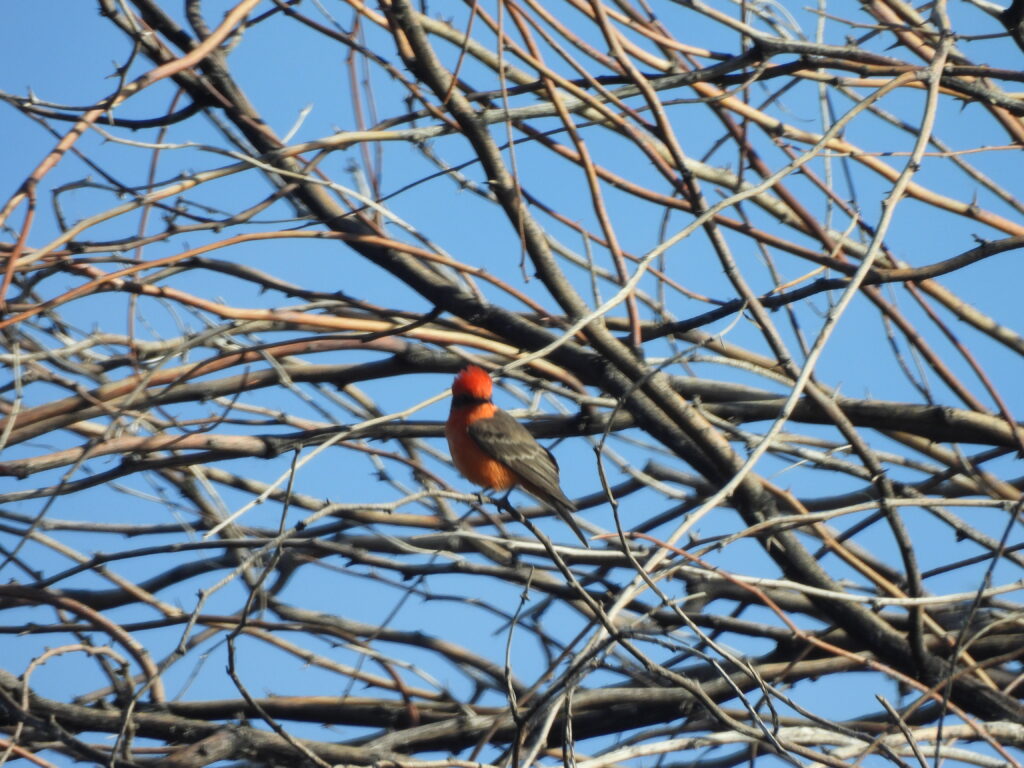
Vermillion Flycatcher 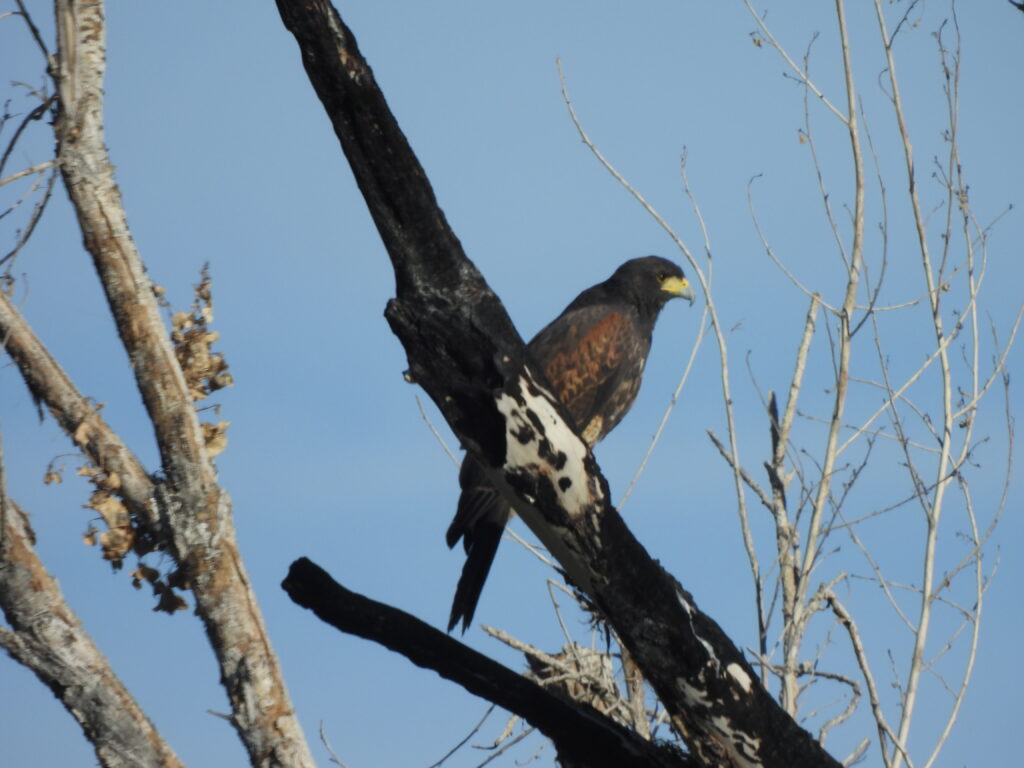
Harris’s Hawk
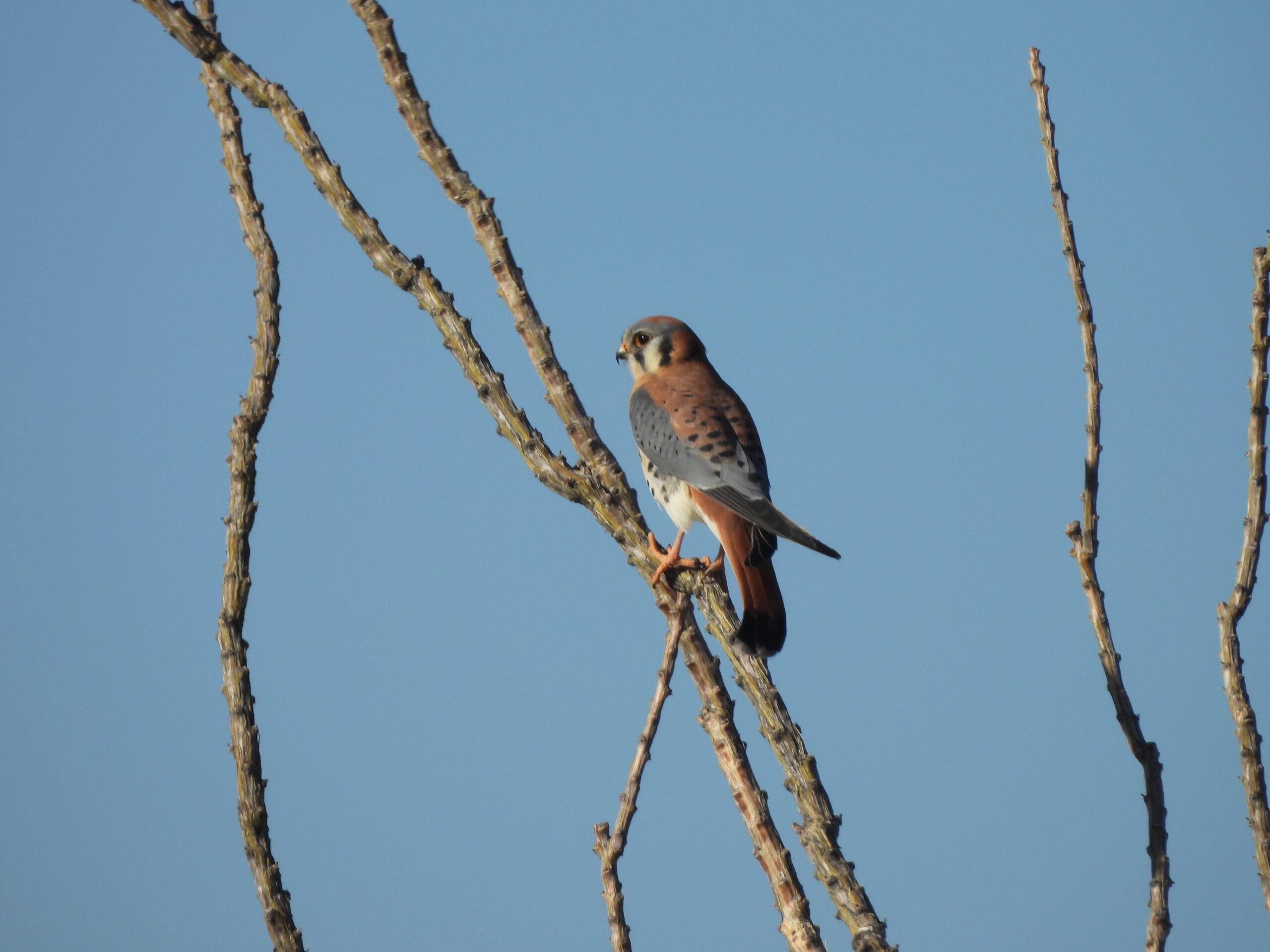
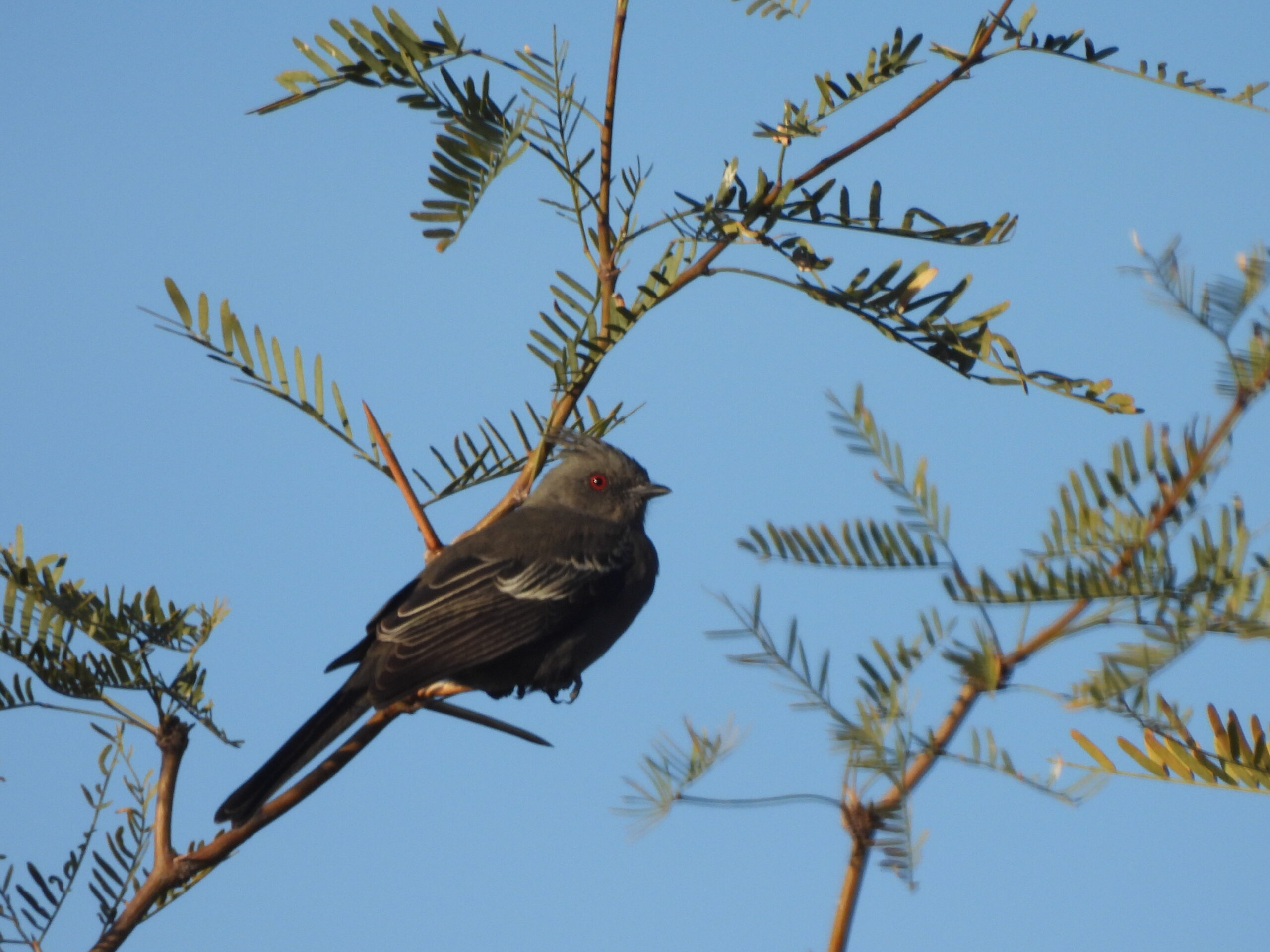
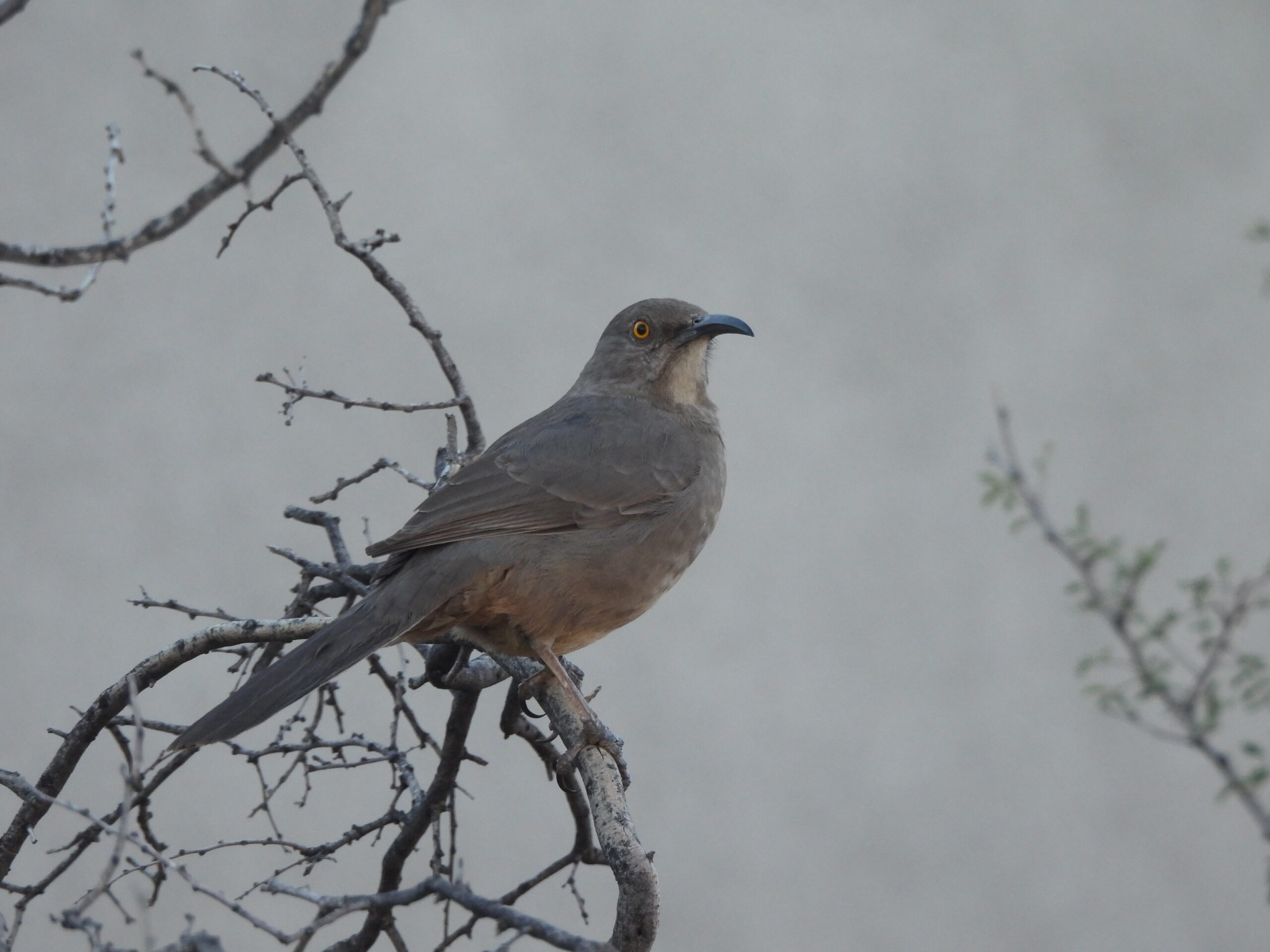
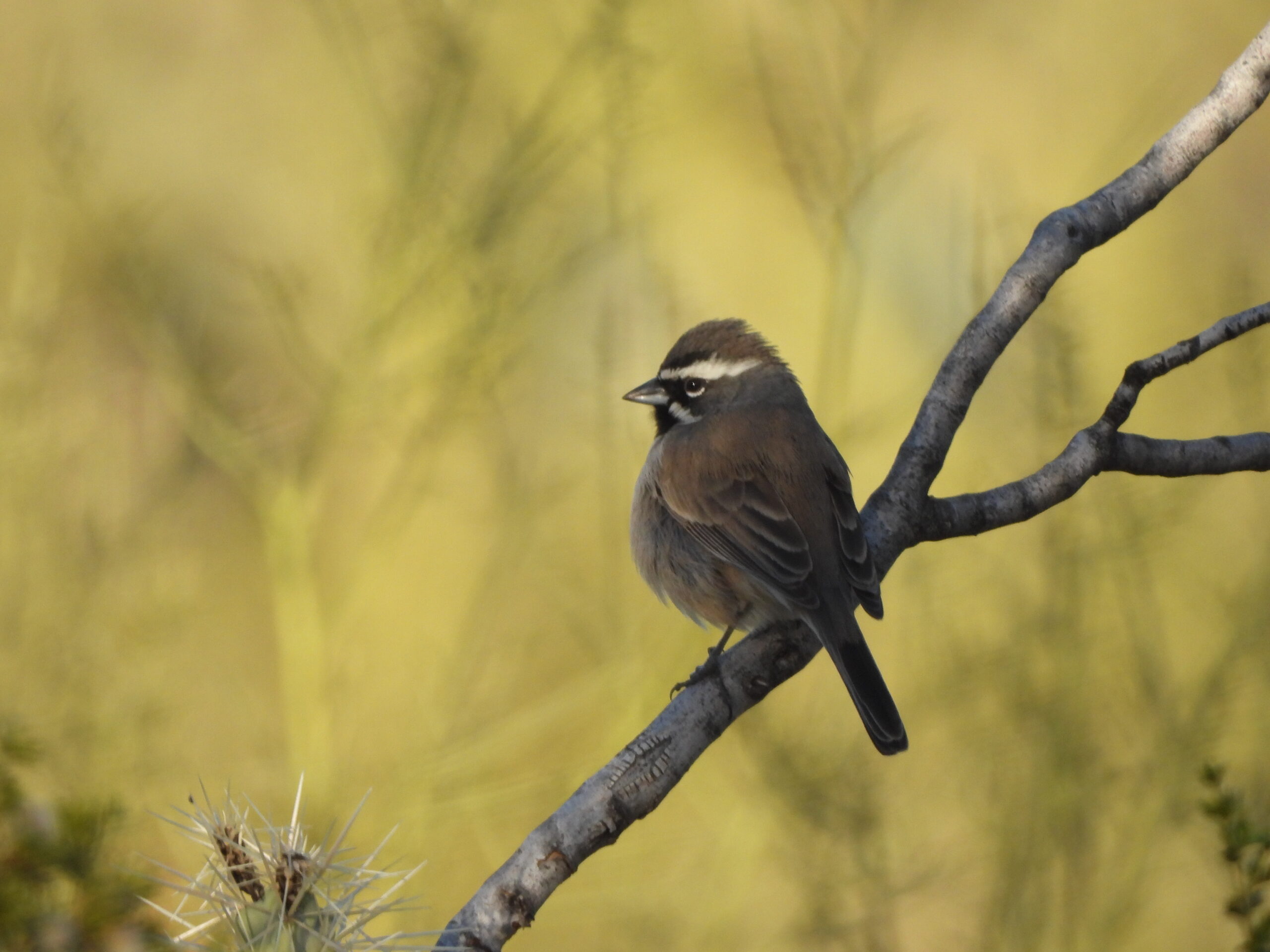
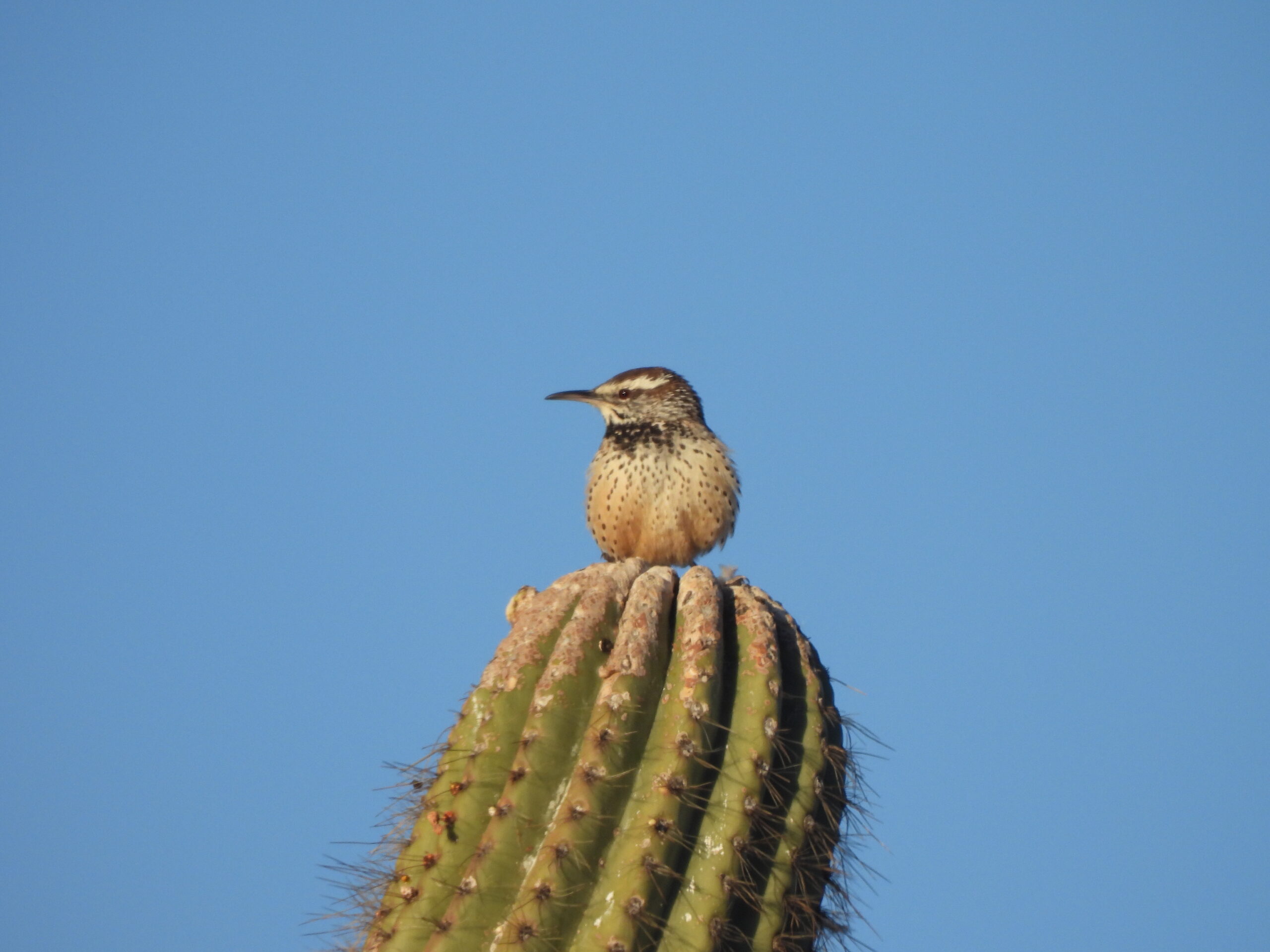
After a delicious lunch at a local Mexican hotspot with my Uncle Tom Wood and his wife Kathy (visiting from Phoenix), I ventured out by myself on a two hour walk up into the adjacent Tucson Mountain Park. As I previously mentioned, each time we visit Tucson, I love walking in the desert, among the giant Saguaros. It brings me peace as I remember the many walks I took with Pa. A few of the desert species I saw were Cactus Wren, Curve-billed Thrasher, Black-throated Sparrow, Phainopepla and a beautiful American Kestrel perched on an Ocatillo, that had just eaten a big grasshopper. Theresa and I ended our evening with a walk through the neighborhood that included spotting a couple Javelinas feeding on a patch of grass, then sitting out in the back deck watching a female Anna’s Hummingbird that perched in the Orange tree. It was a great day relaxing, wildlife watching and enjoying the warm Arizona weather!
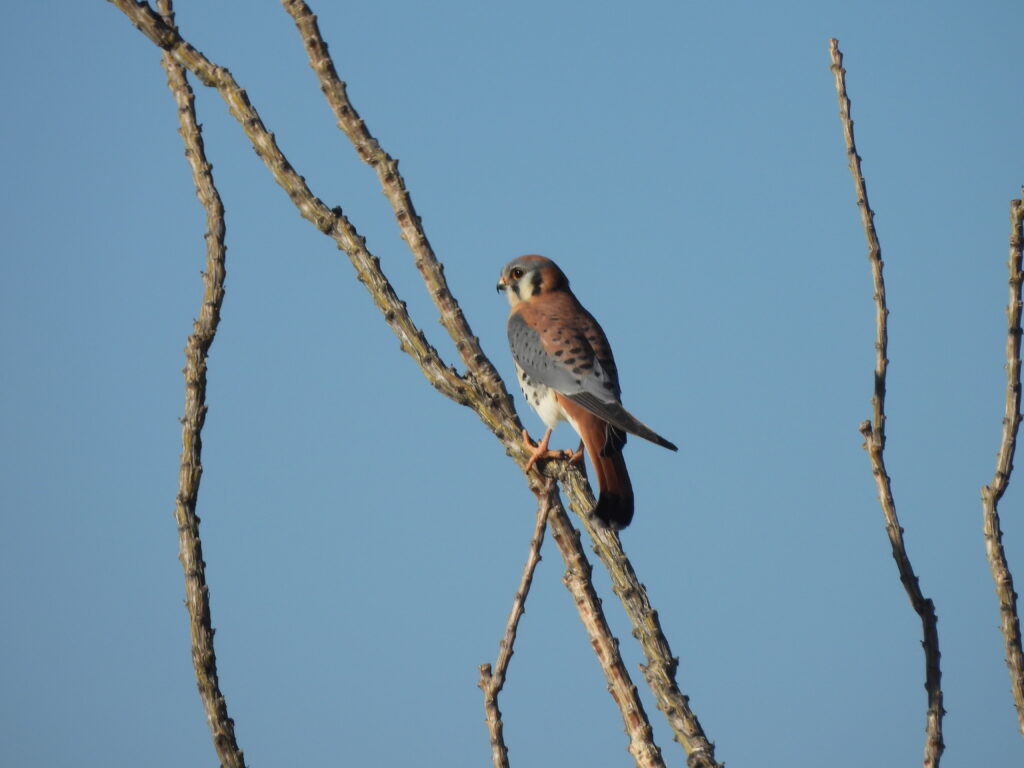
American Kestrel 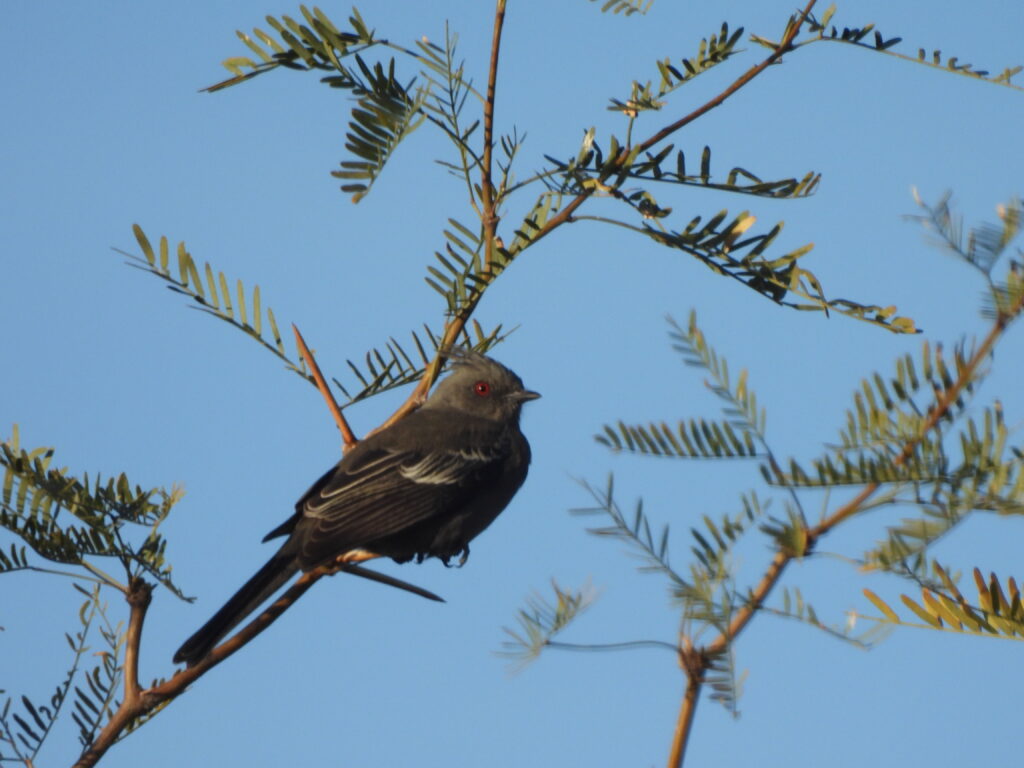
Phainopepla 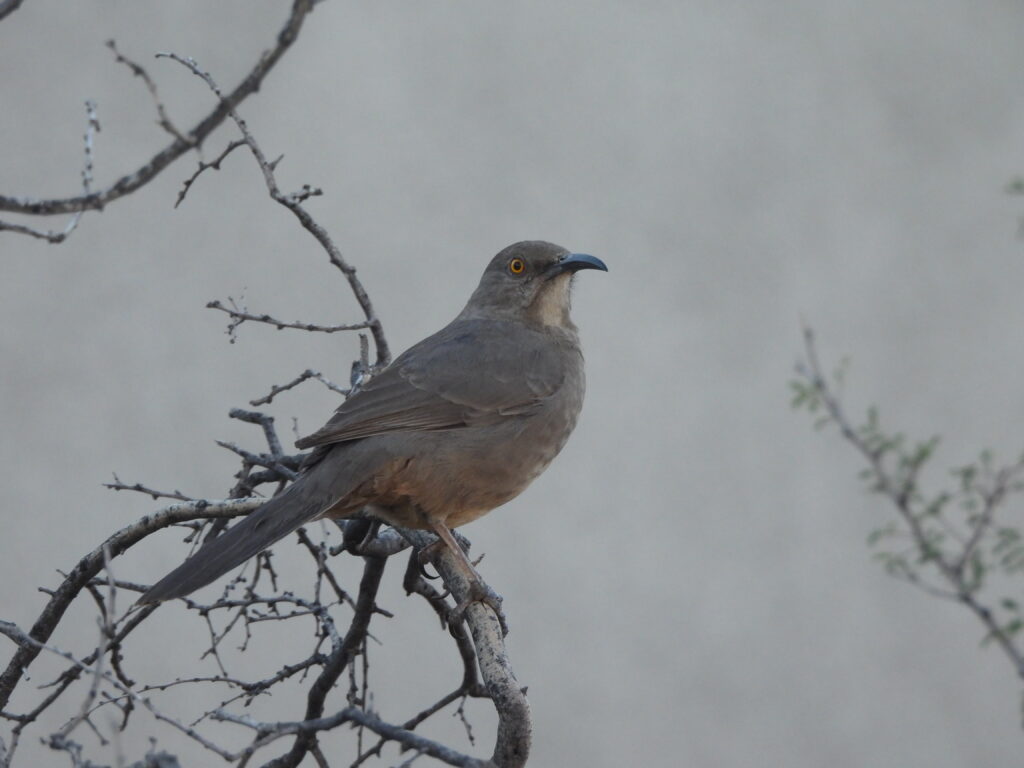
Curve-billed Thrasher
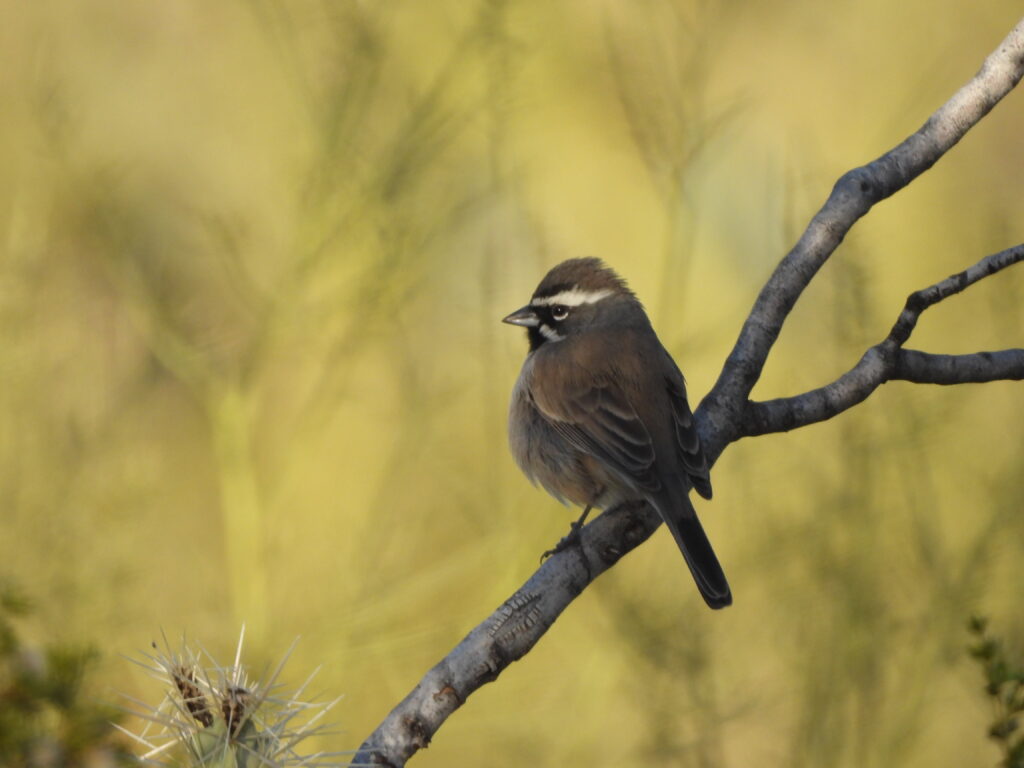
Black-throated Sparrow 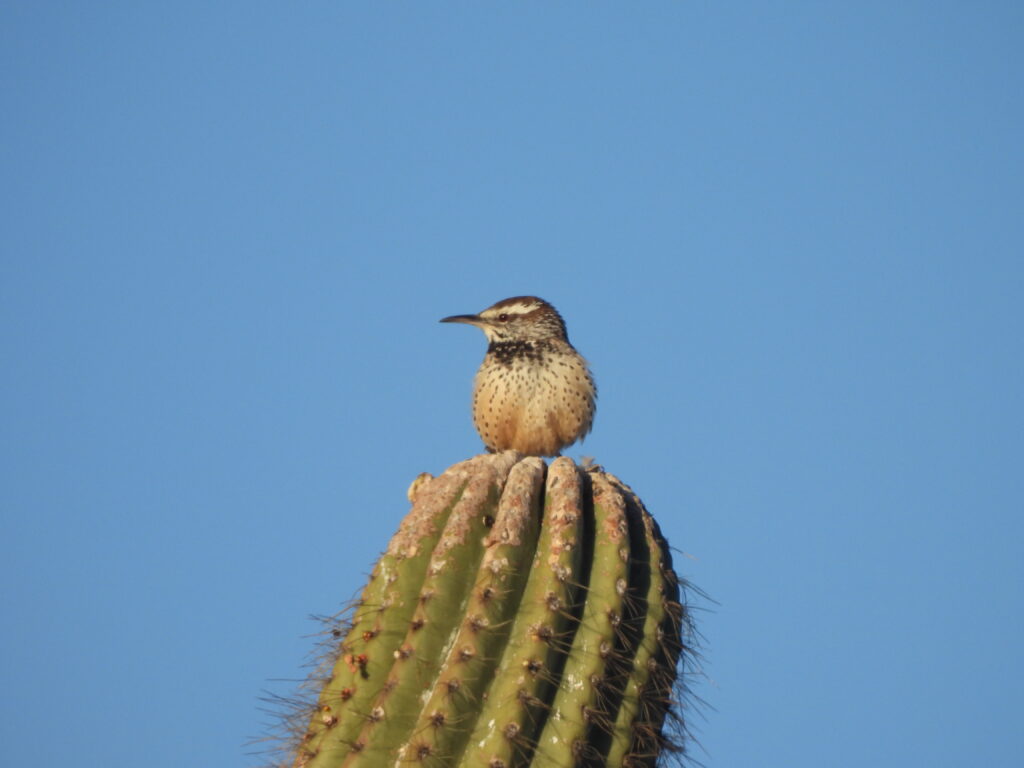
Cactus Wren 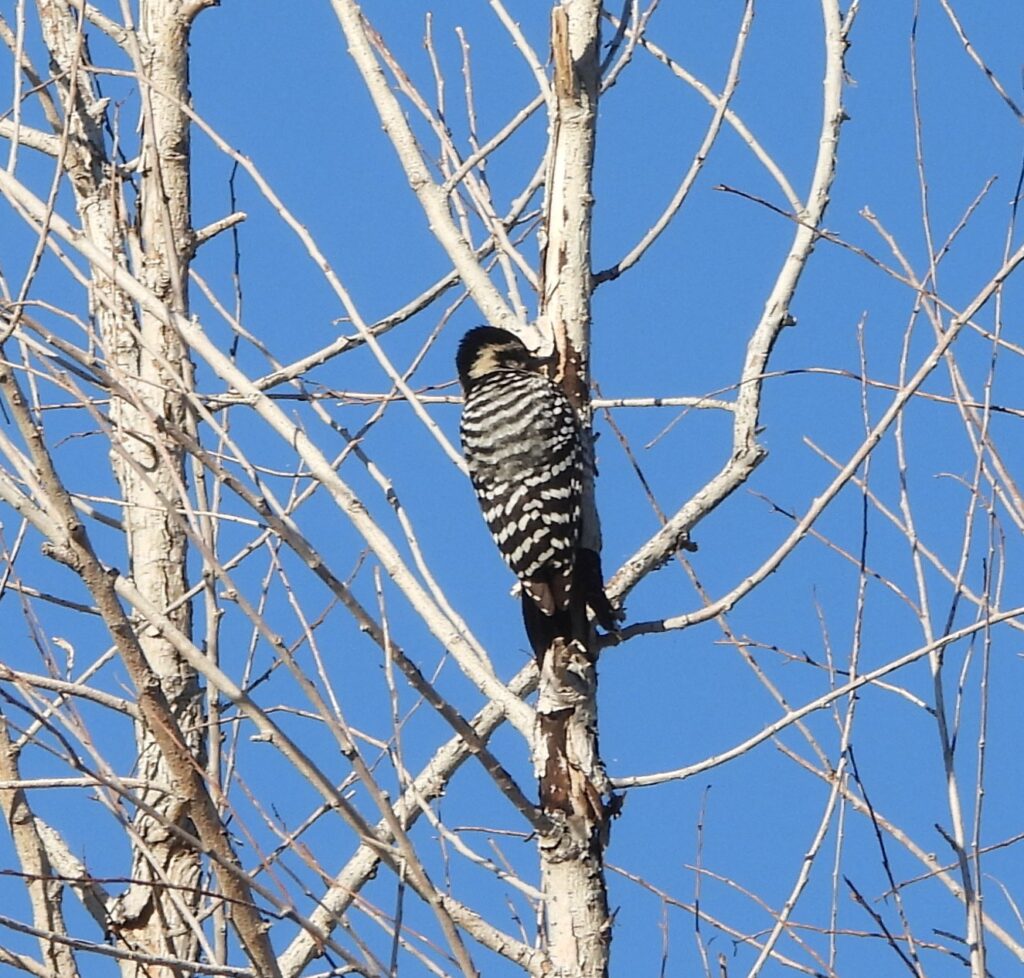
Ladder-backed Woodpecker
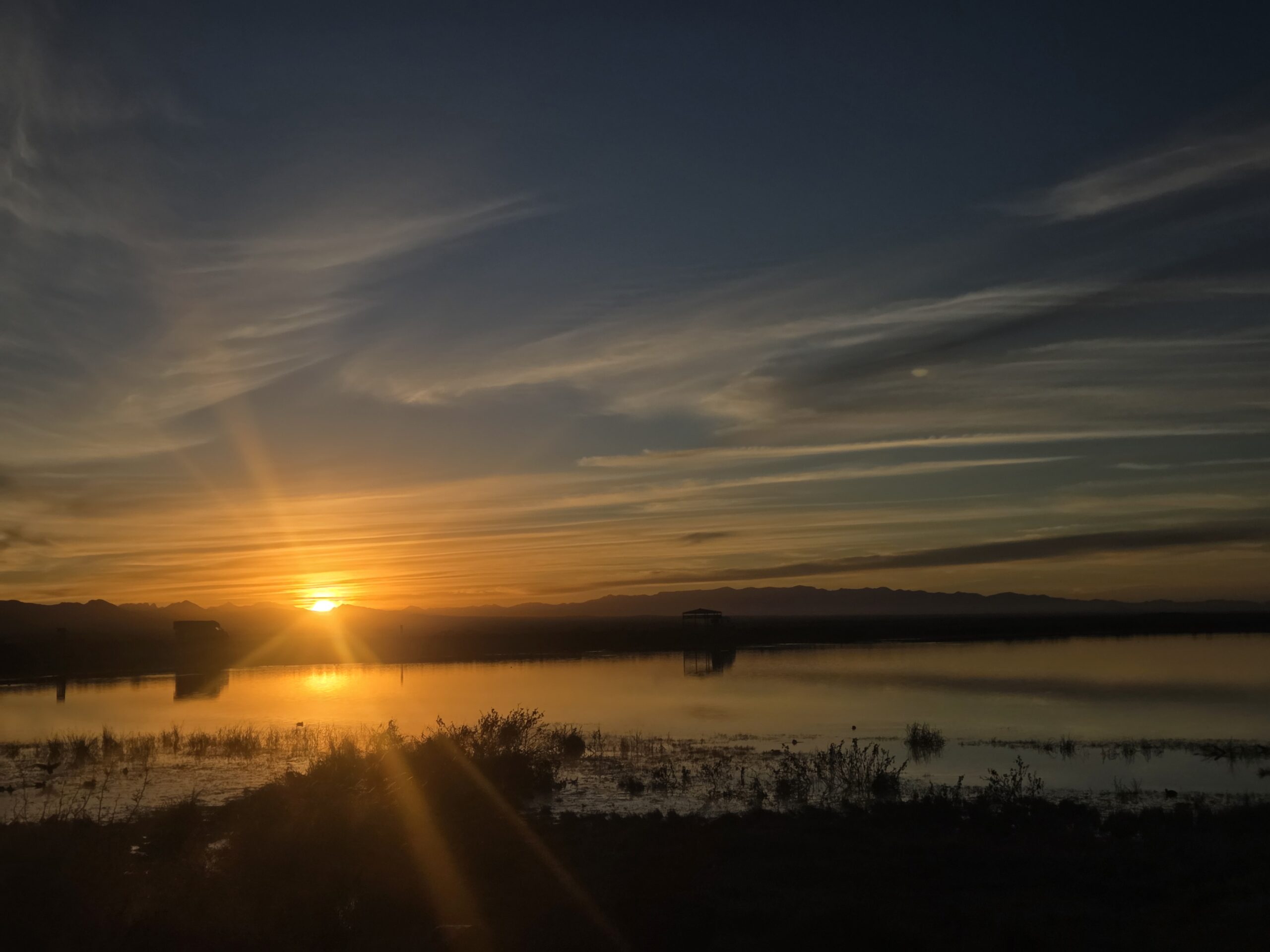
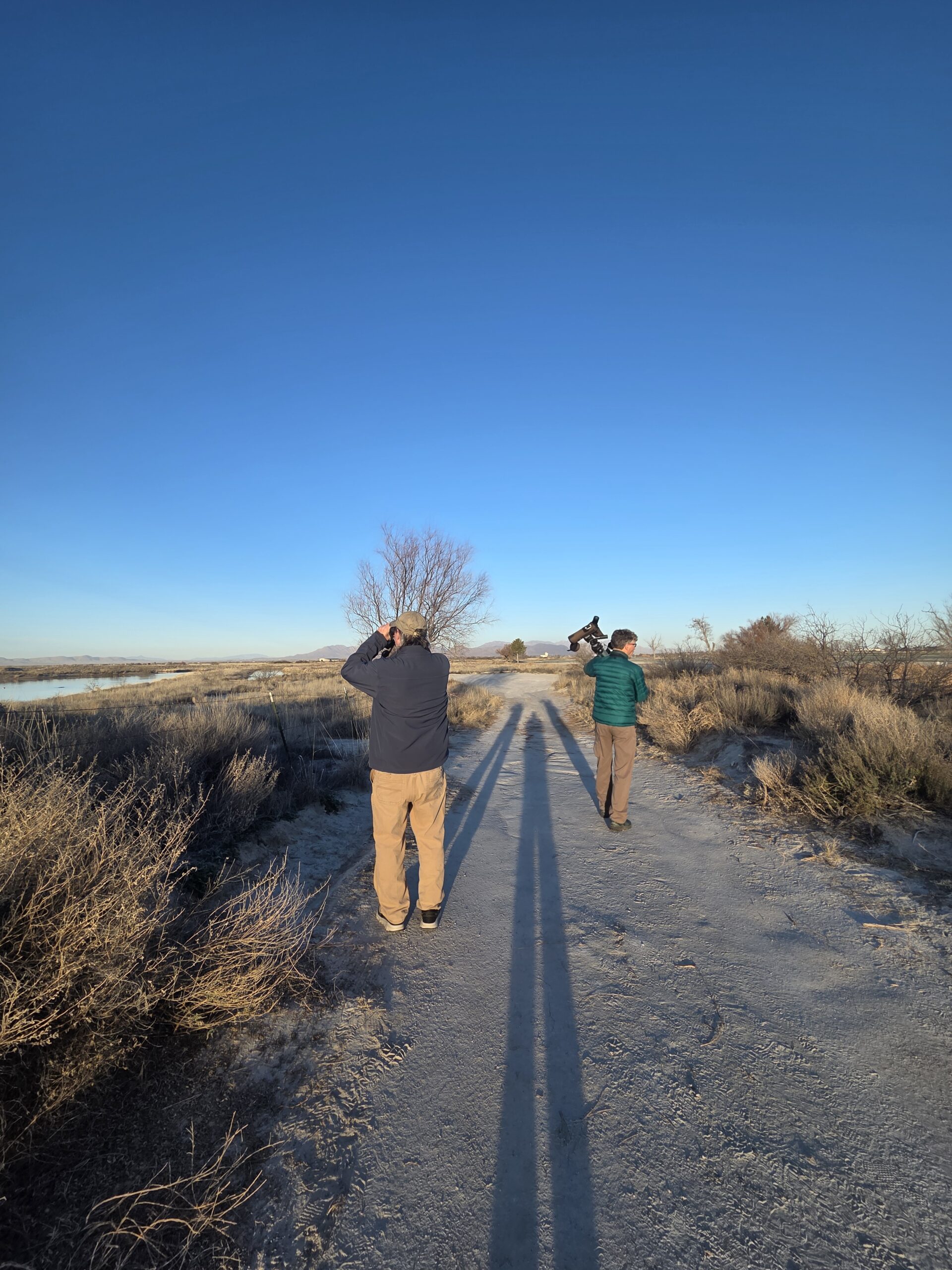
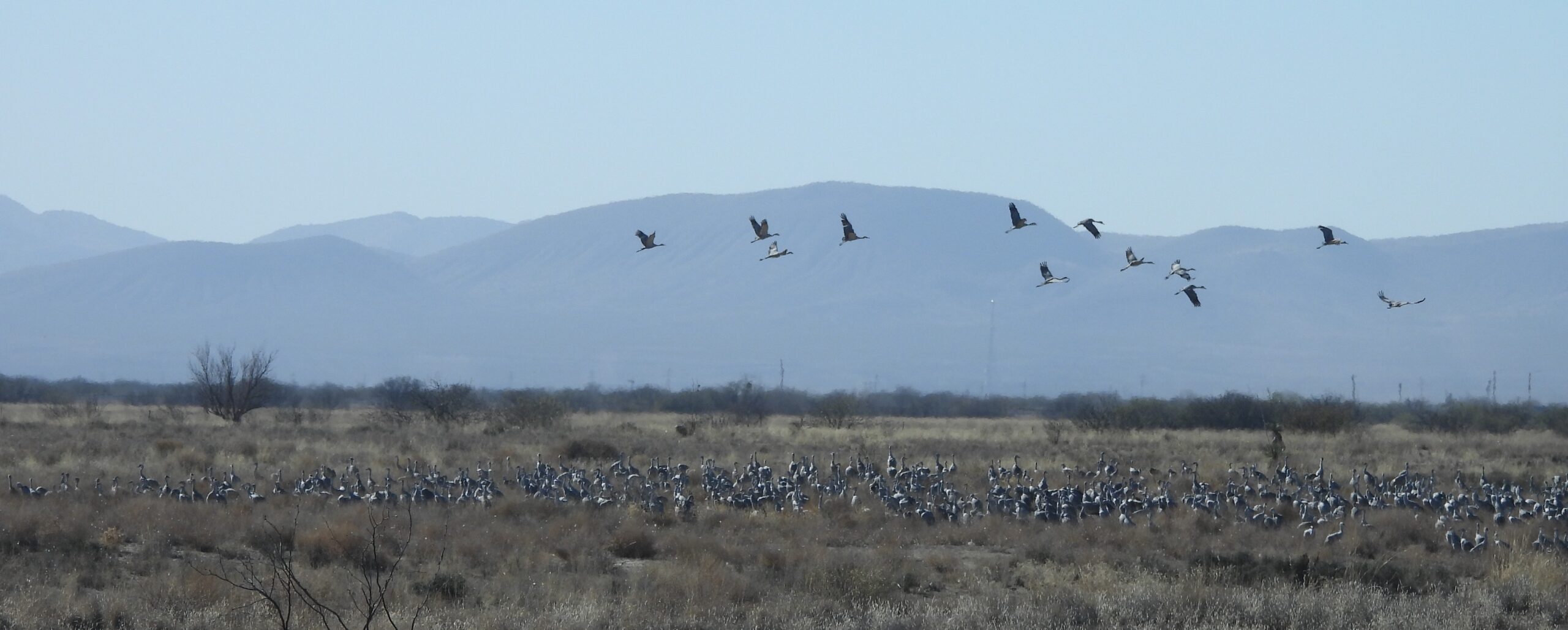
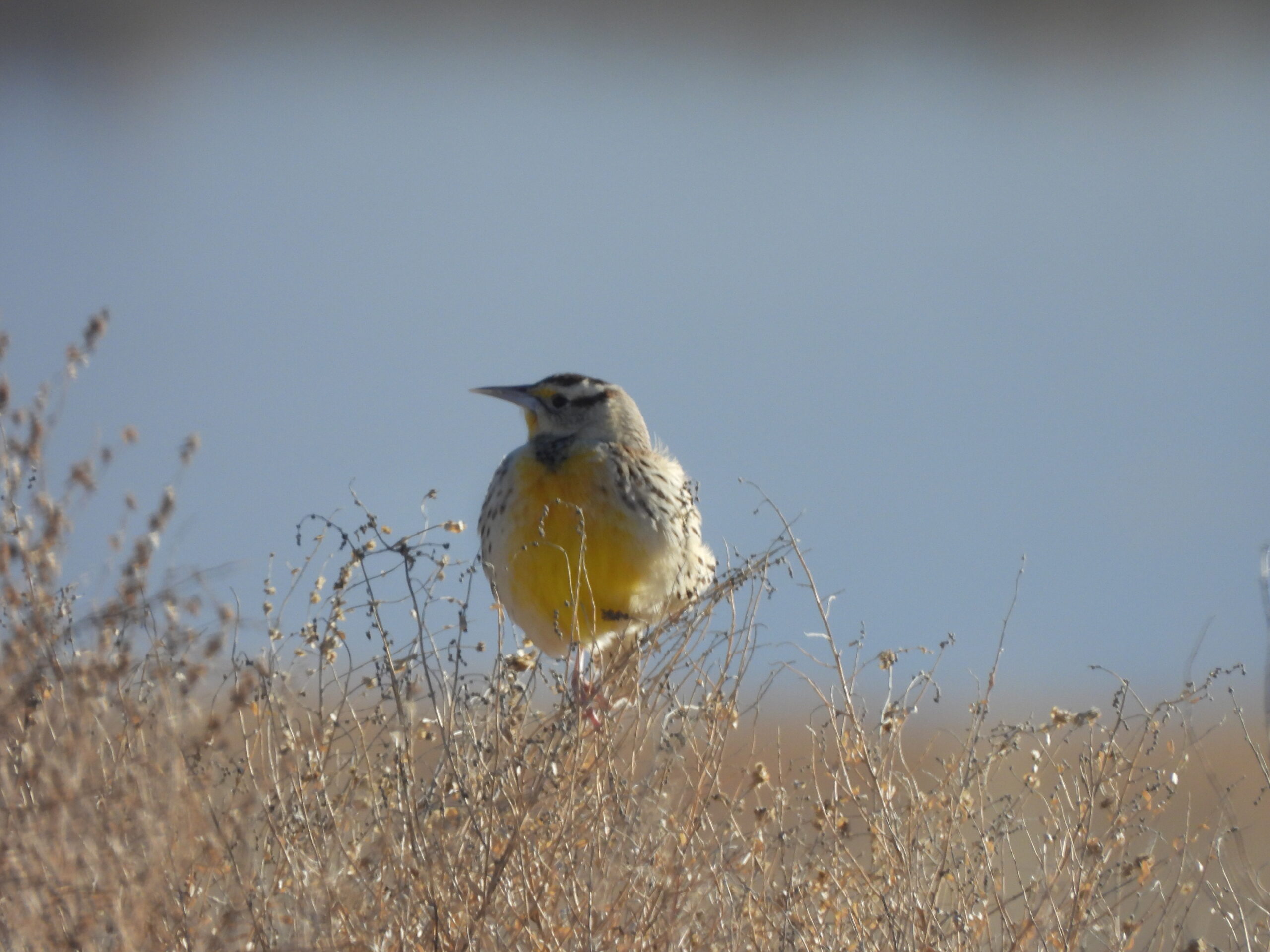
For day two, our plan was to get out at dawn and head east toward the town of Wilcox into the Sulfur Springs Valley to see thousands of wintering Sandhill Cranes. Then we would move on to explore the Chiricahua Mountains, an environment in Arizona we’ve never visited before. We also hired David Griffin, a local birding/nature guide and owner of Borderland Birding, since he knew the area well, and could find us many birds we were unfamiliar with. It was a great decision, as David was very friendly, super knowledgeable about birds and knew the areas we visited well-especially the Chiricahuas. We had a fabulous day, starting with seeing 5000+ Sandhill Cranes, along with such specialties like Say’s and Black Phoebes, Loggerhead Shrike, Cinnamon Teal, Chihuahuan Meadowlark, Chestnut-collared Longspur, Lark Bunting, Great-tailed Grackle, Pyrrhuloxia and Chihuahuan Raven.
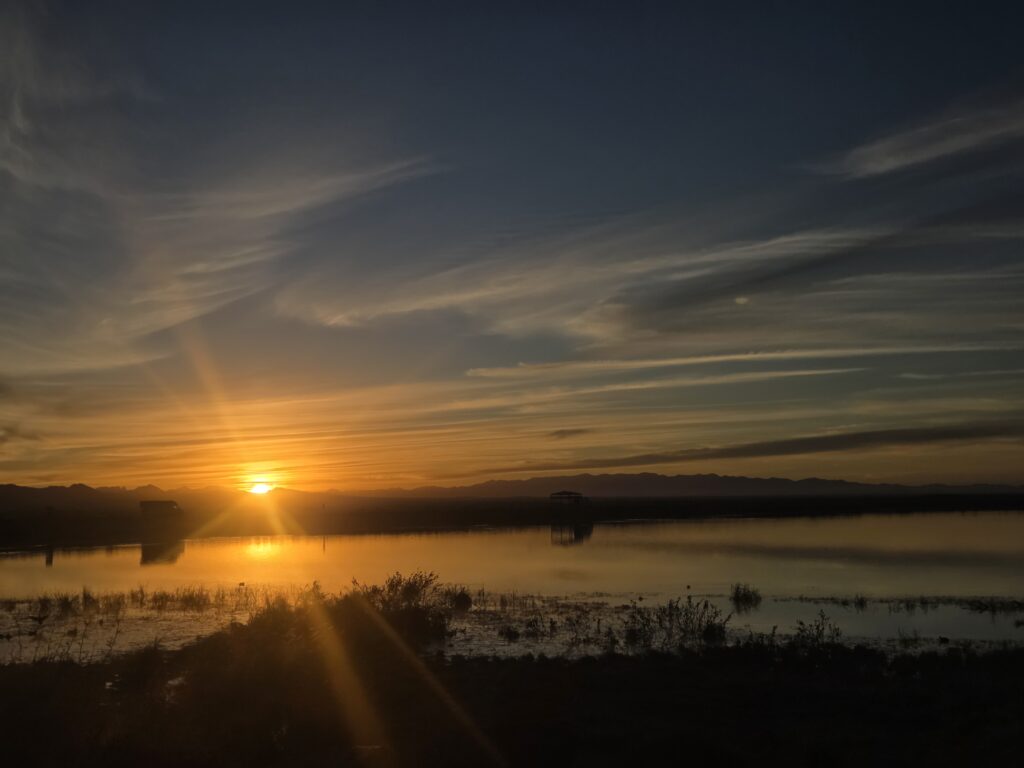
Sunrise in the Sulfur Springs Valley 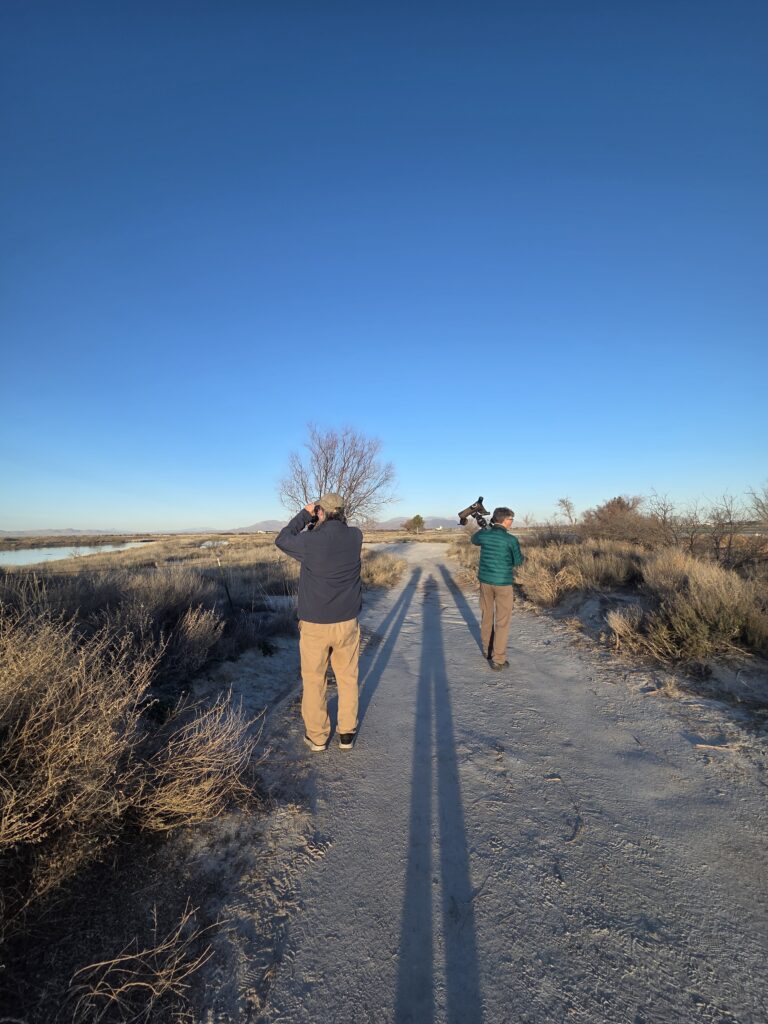
Early morning birding
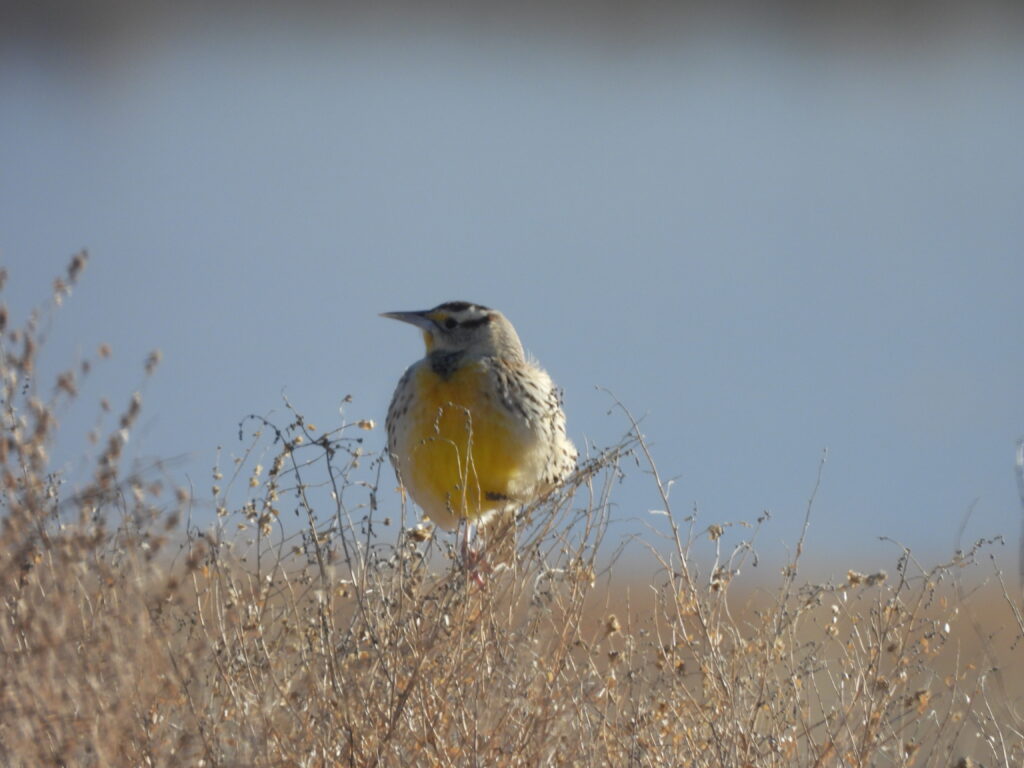
Chihuahuan Meadowlark 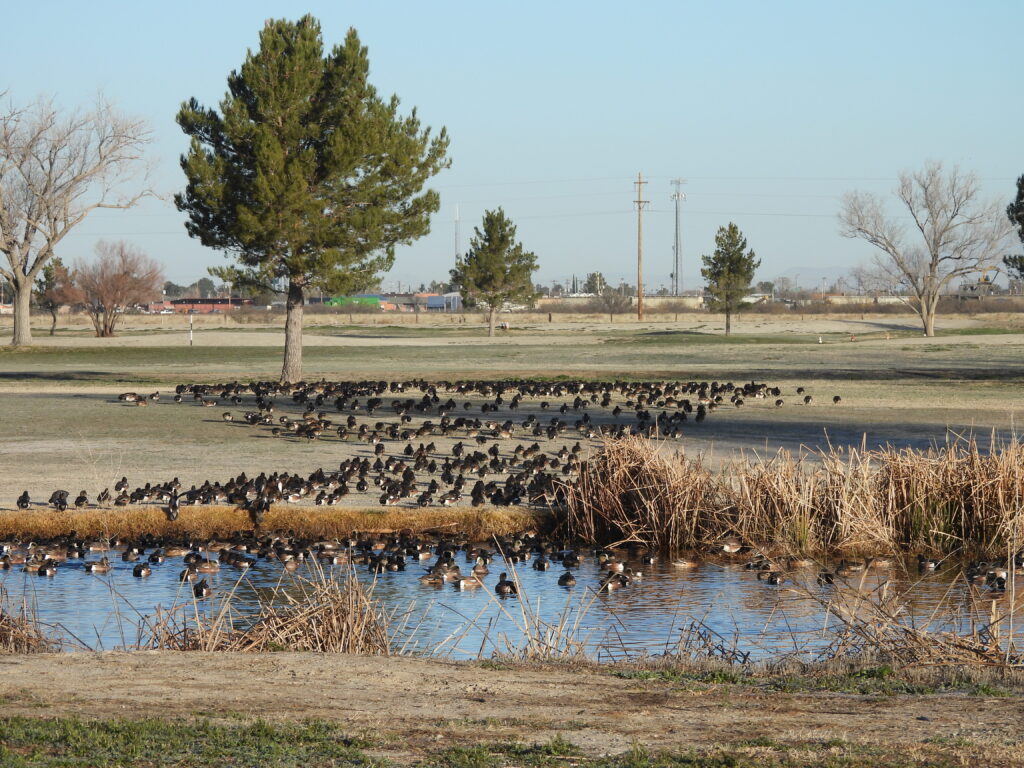
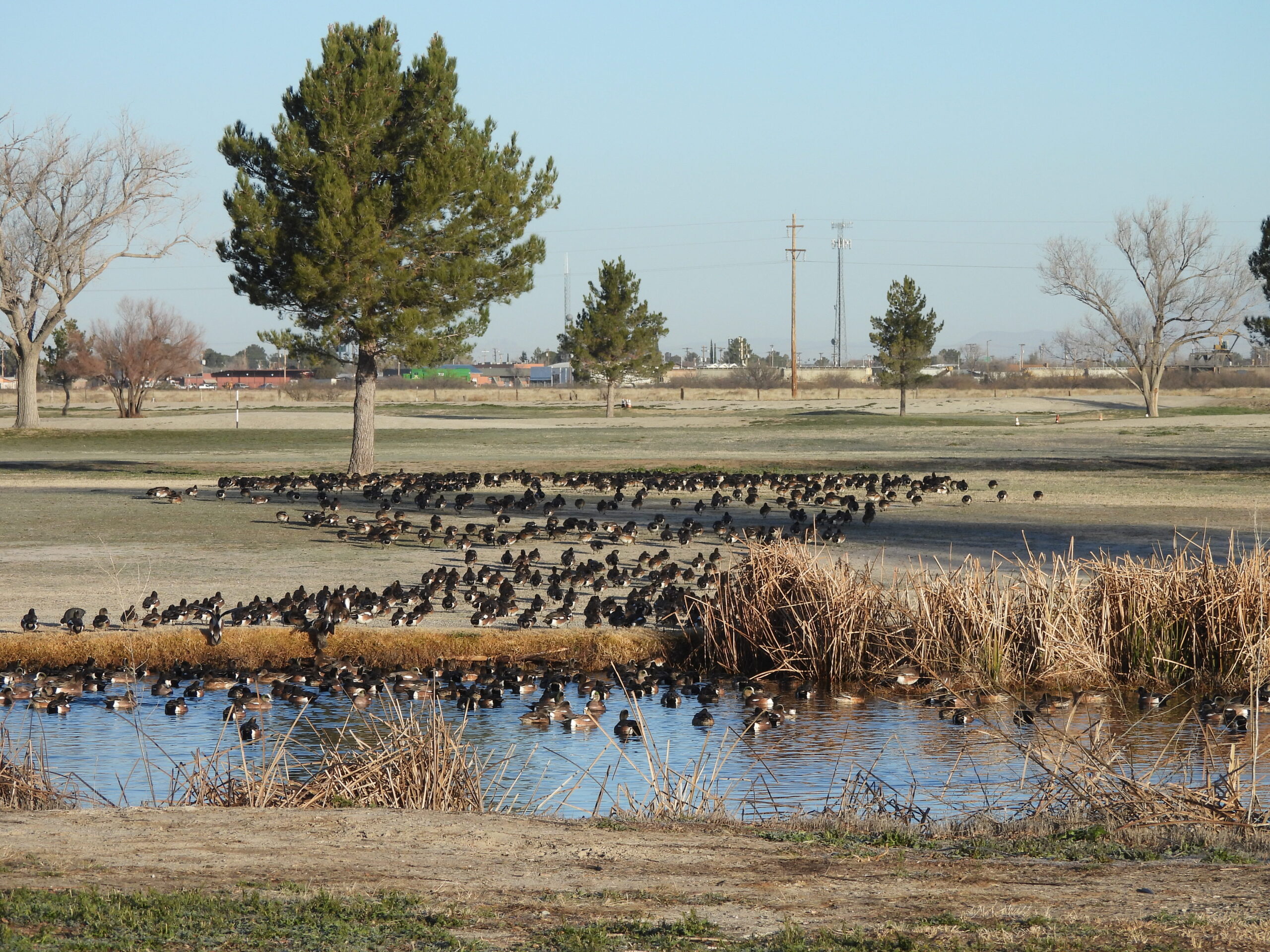
Hundreds of American Wigeon wander on to the golf course
The second part of the day we visited Chiricahua National Monument. Chiricahua National Monument is one of several sky islands in southeastern Arizona. A sky island is an isolated mountain range that rises up out of the surrounding desert “sea.” The high point in the Chiricahua Mountains – Chiricahua Peak – is 9,795 feet (2,986 meters) above sea level. The Chiricahua sky island rises about 6,000 feet (1,829 meters) above the Sulphur Springs Valley.
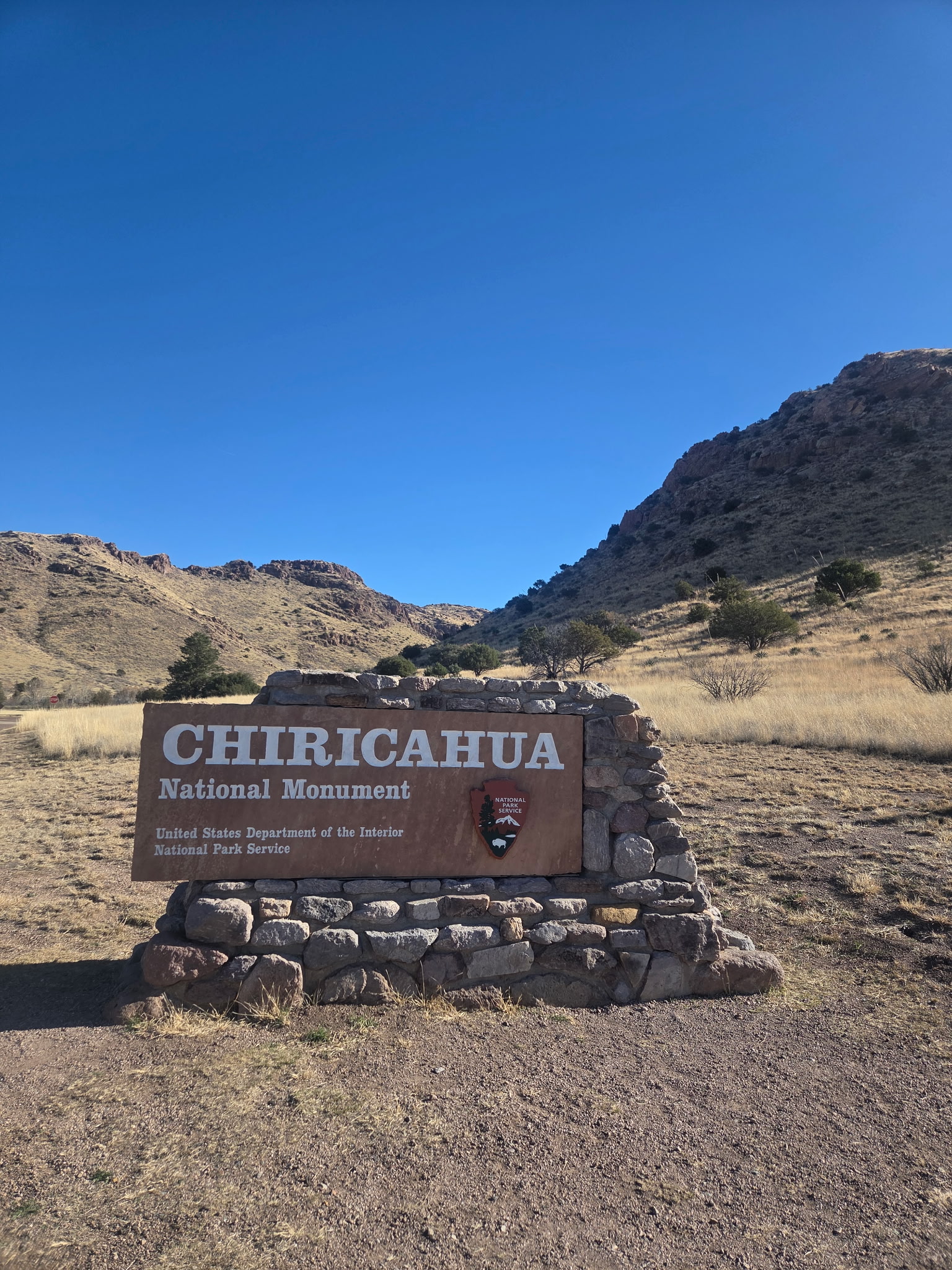
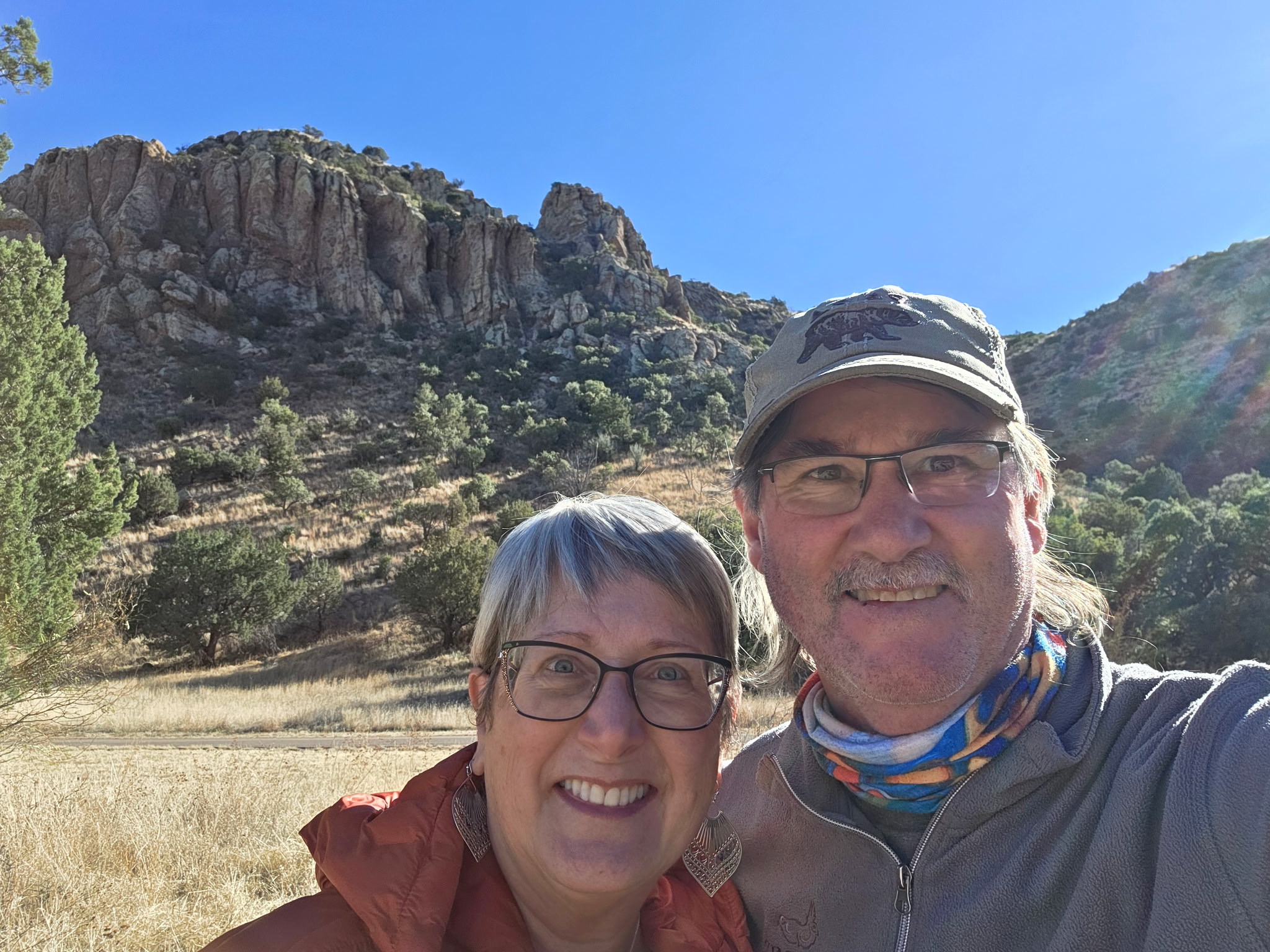
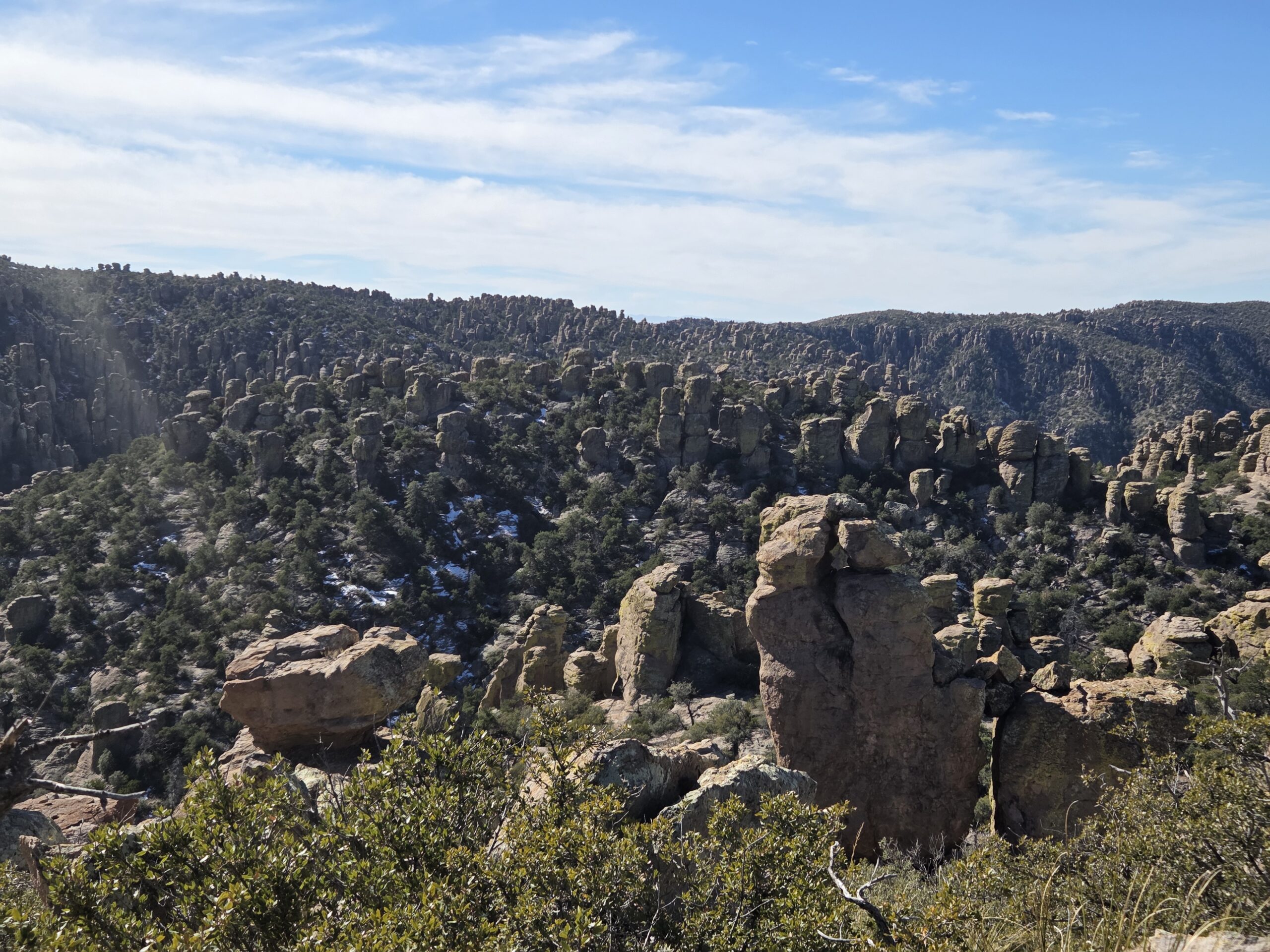
The sky island’s special environment results in extraordinary biodiversity. The monument is located at a crossroads between four major ecosystems. The Rocky Mountains, Sierra Madre, Sonoran Desert and Chihuahuan Desert converge here. The monument also has characteristics of five world biomes: Desert; Grasslands; Chaparral; Deciduous Forest and Coniferous Forest. It was a fascinating landscape, especially the geologic rock formations called pinnacles. The rock structures are stacked on top of each other, and look like they could fall over at any moment.
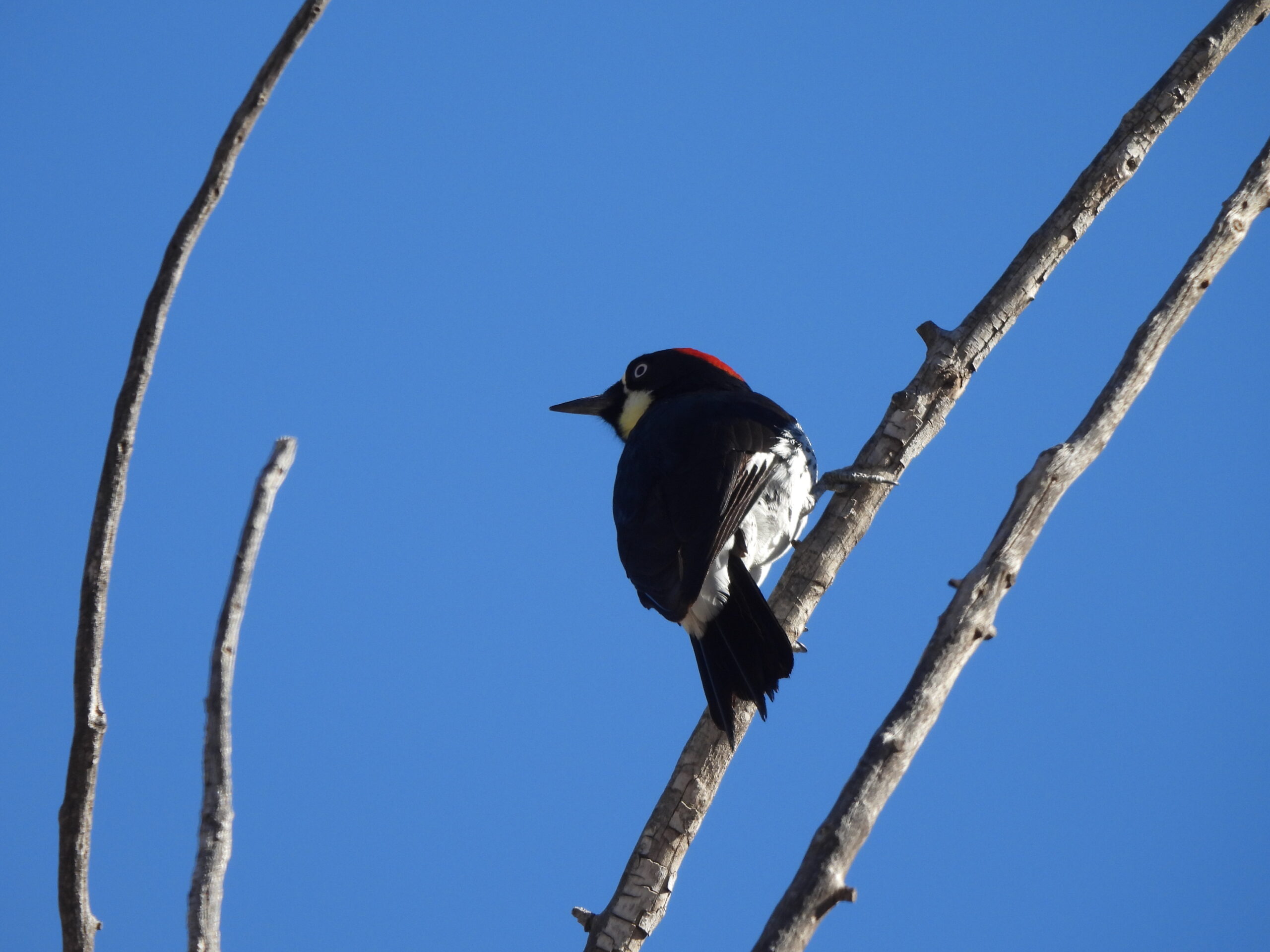
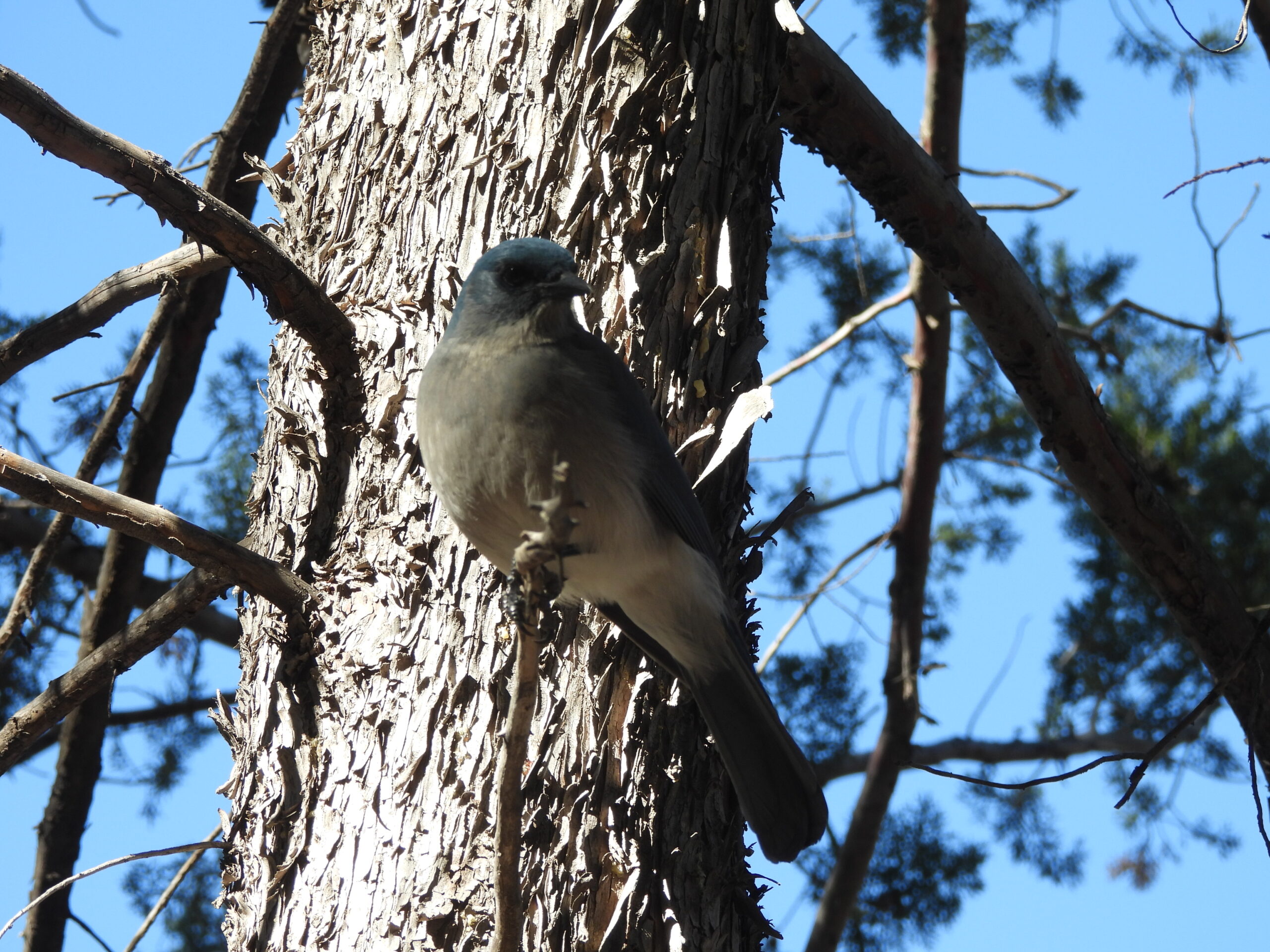
Some of the birds we found here included Acorn Woodpecker, Canyon Towhee, Spotted Towhee, Dark-eyed Junco (color variations: Oregon, Gray-headed and Pink-sided), Bridled Titmouse, Golden Eagle, Mexican Jay, Crissal Thrasher and Lesser Goldfinch. It was a unique, beautiful area, and we look forward to returning in another season for more birds!
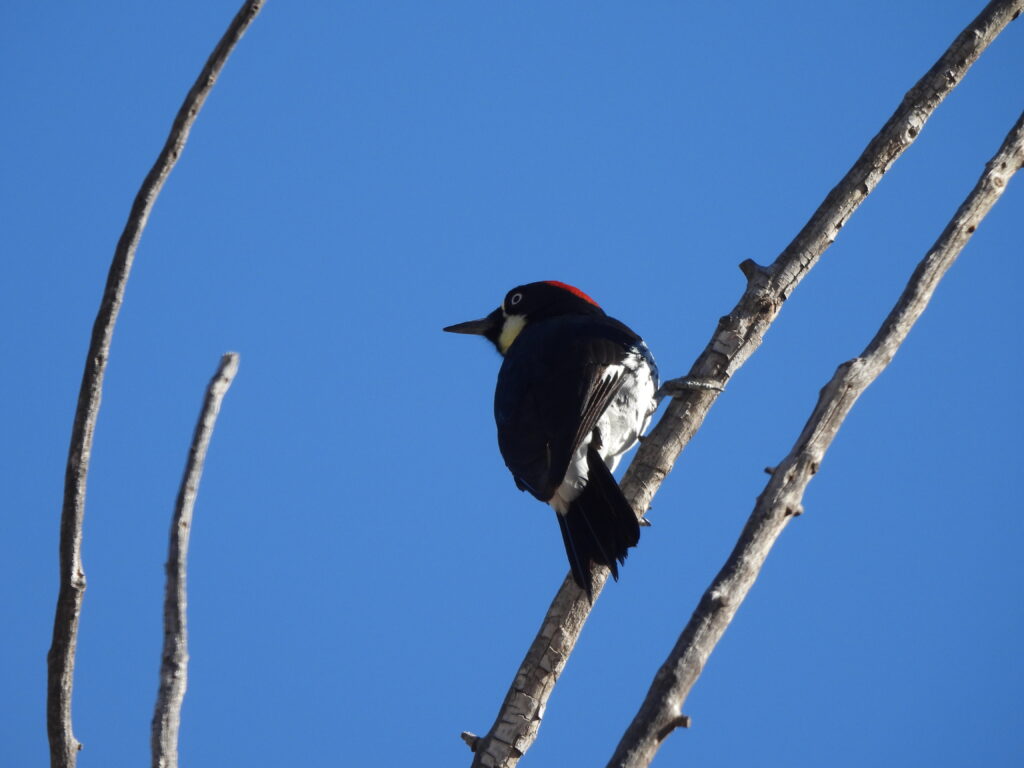
Acorn Woodpecker 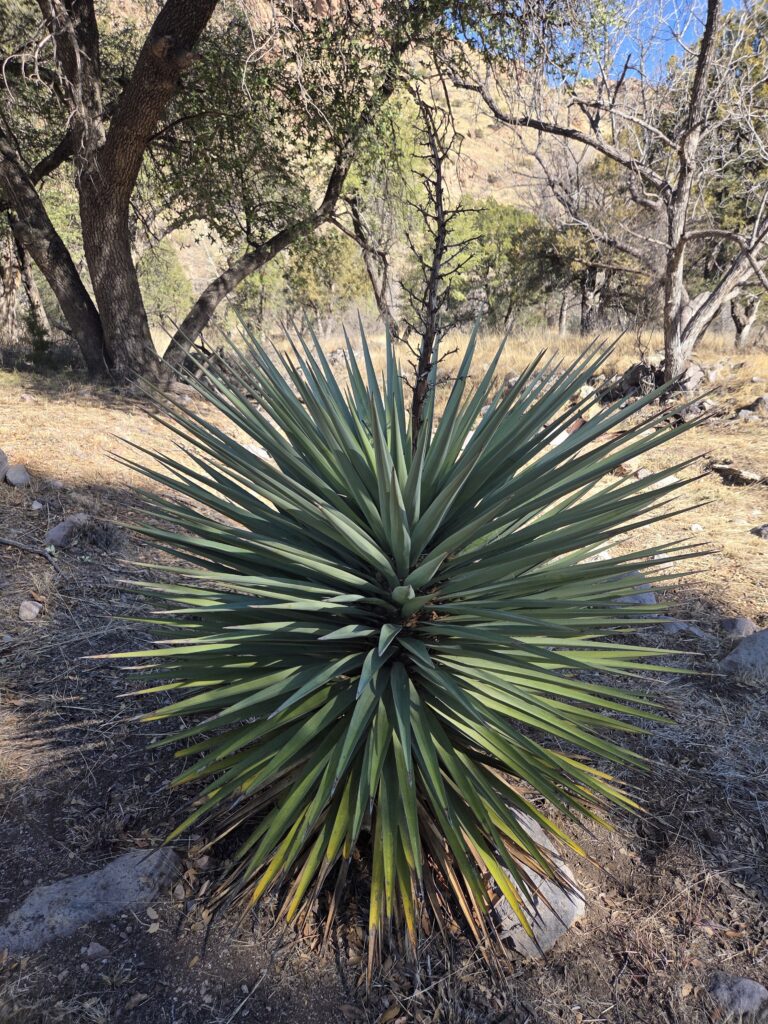
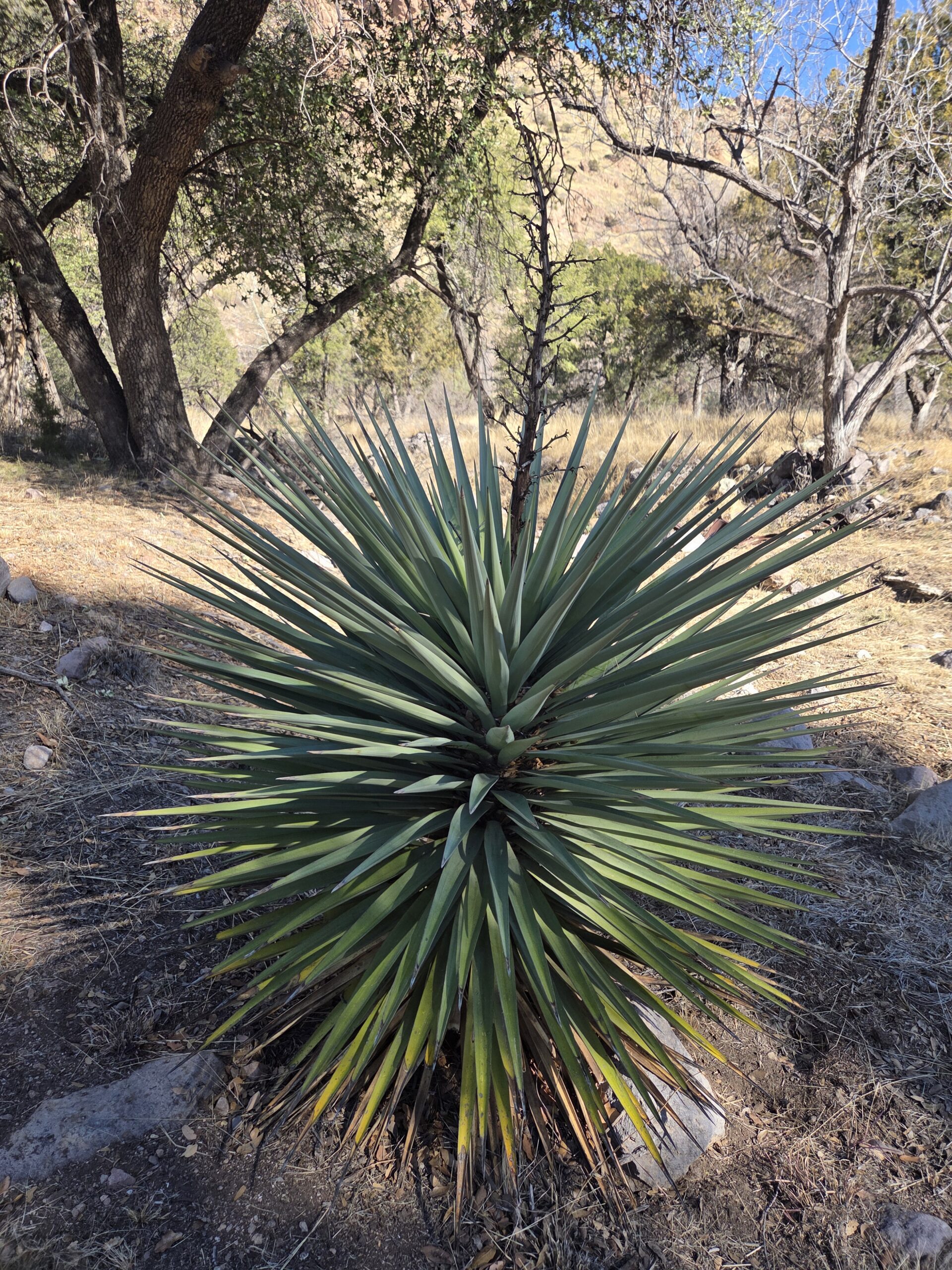
Agave 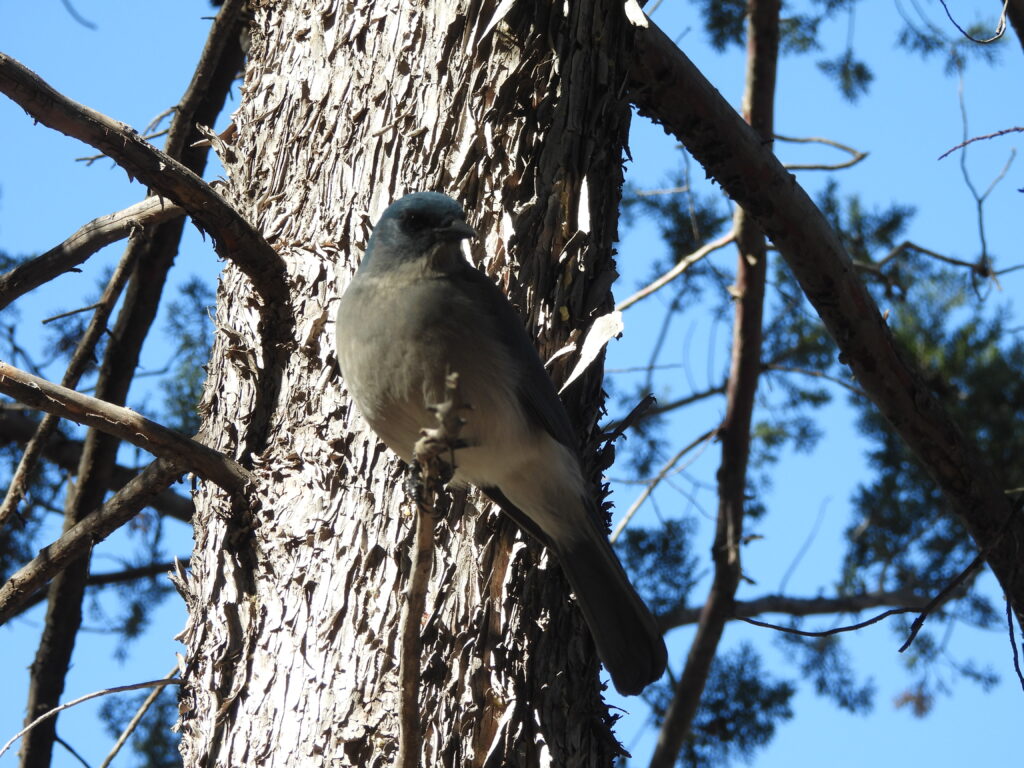
Mexican Jay
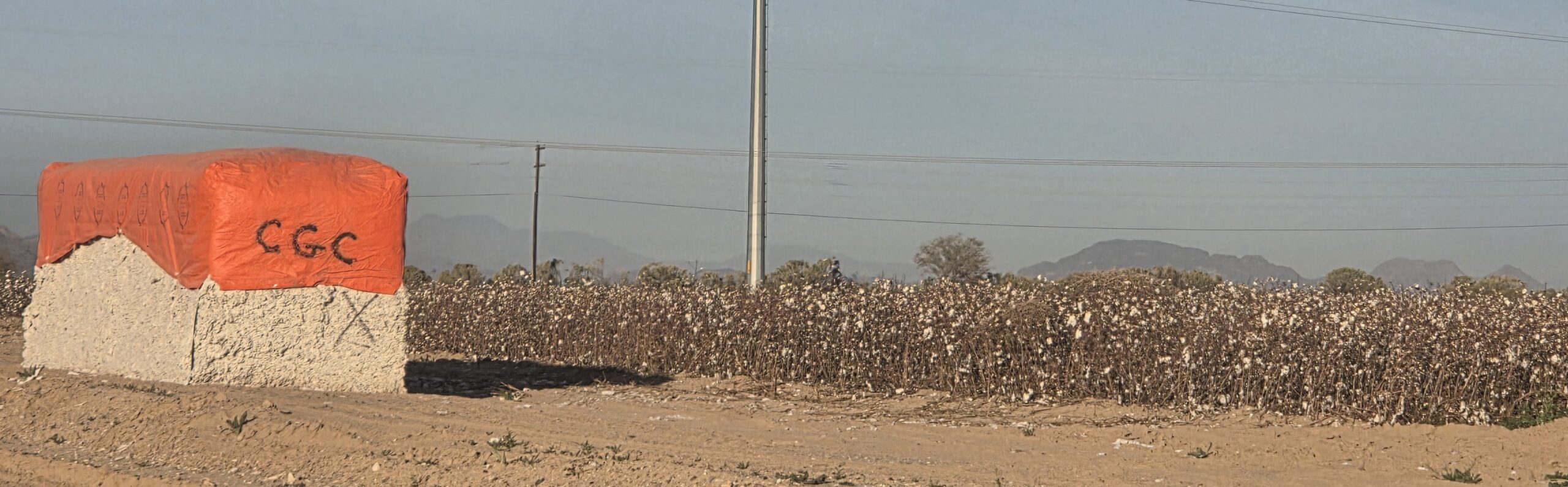
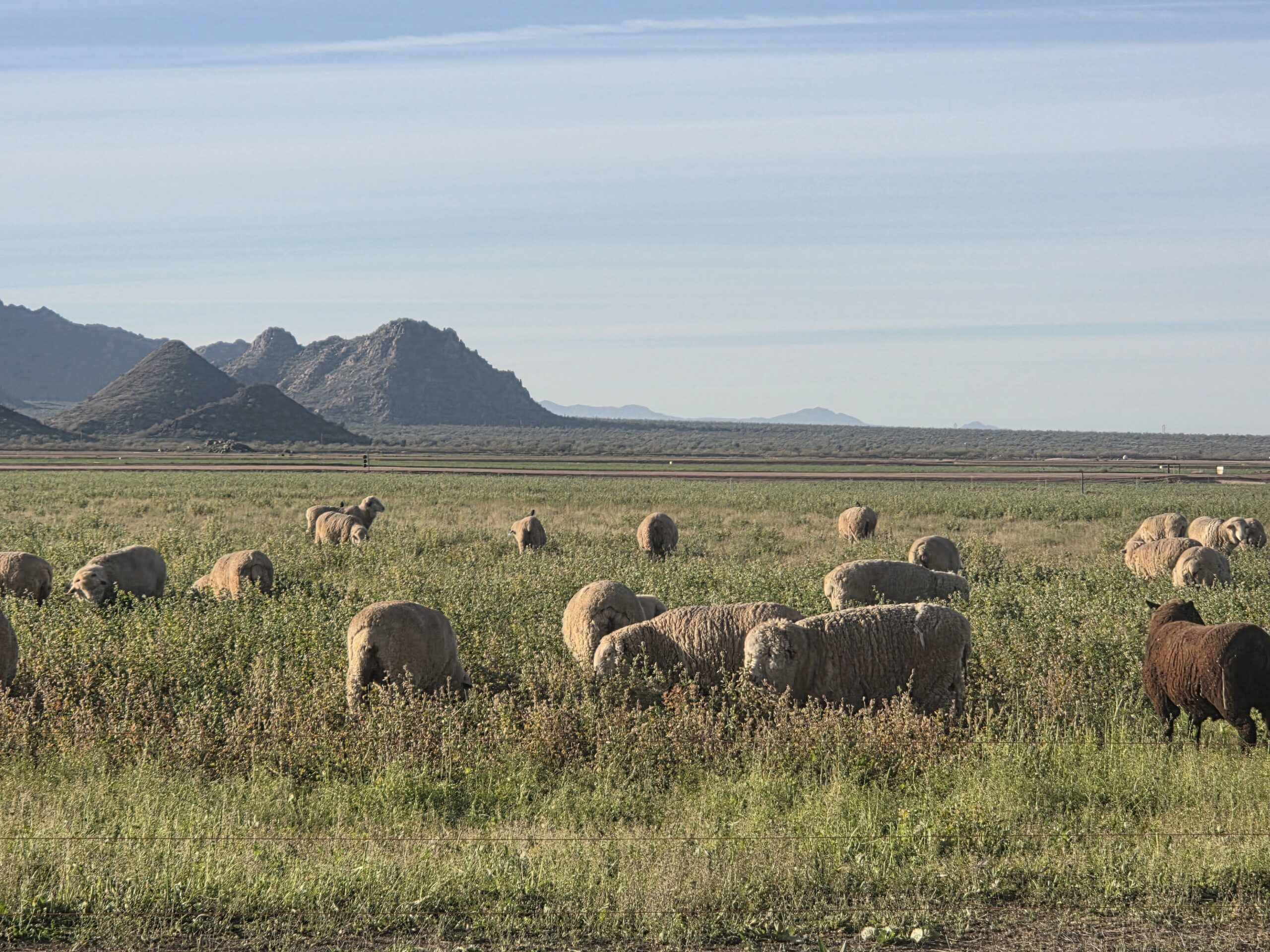
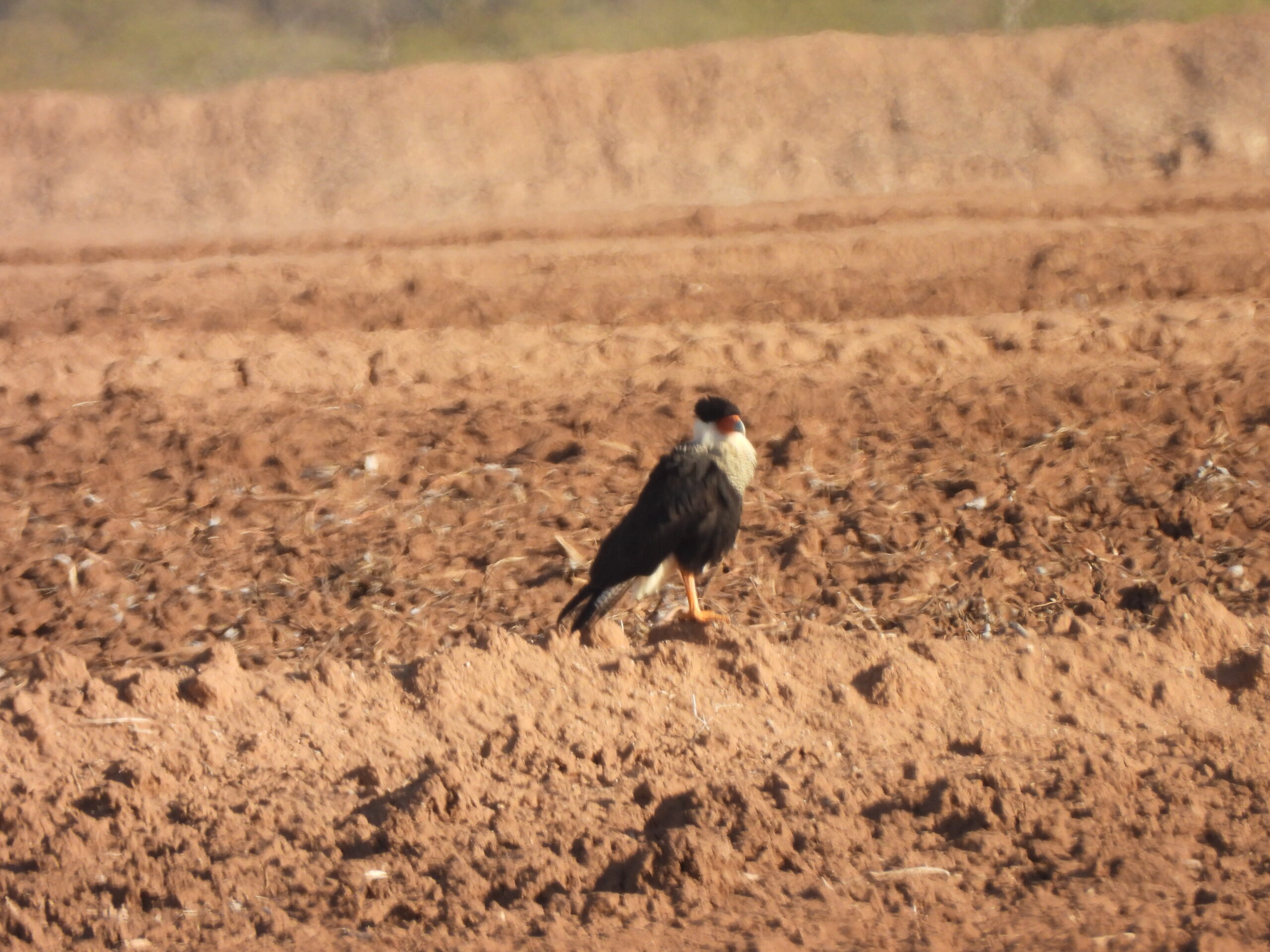
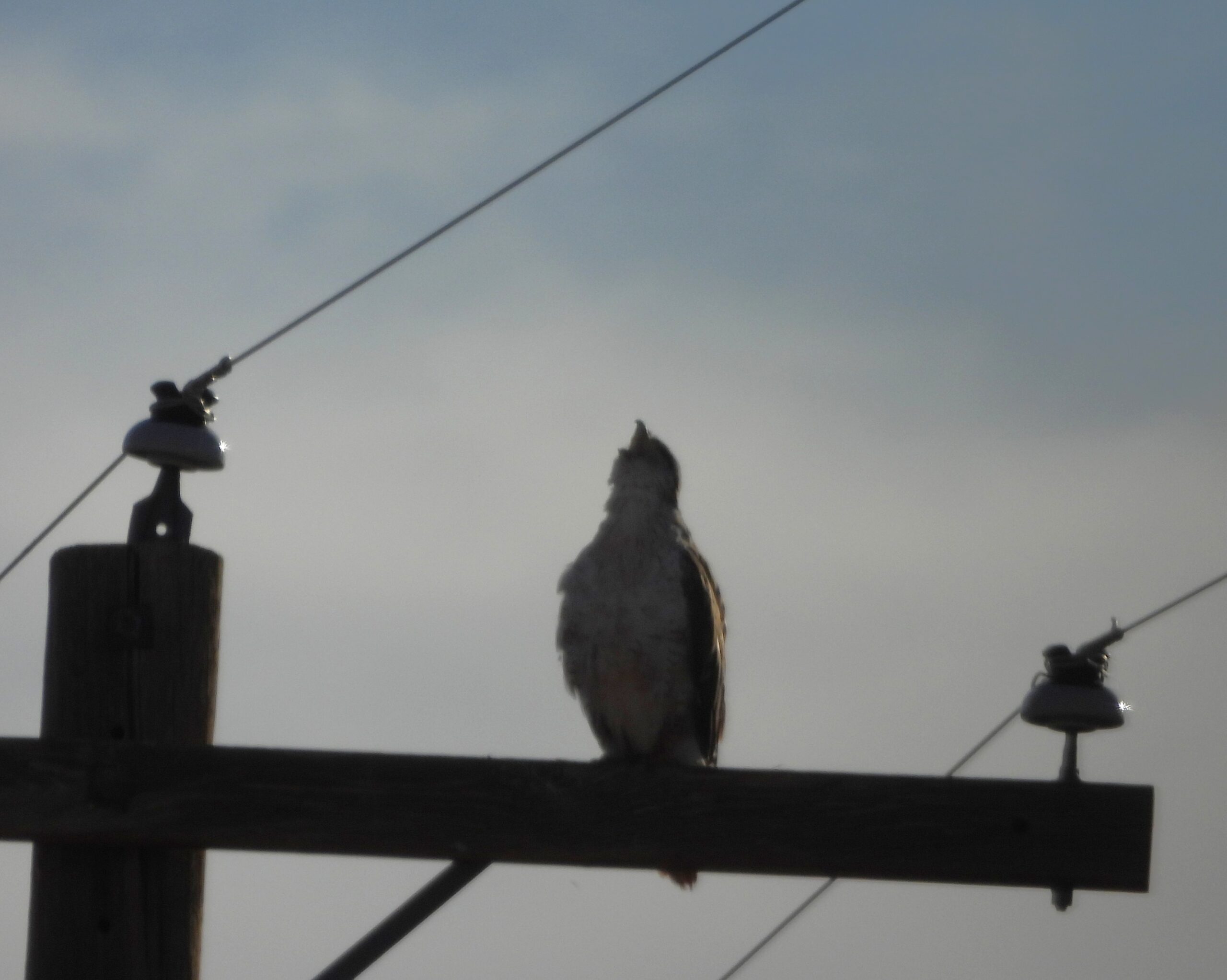
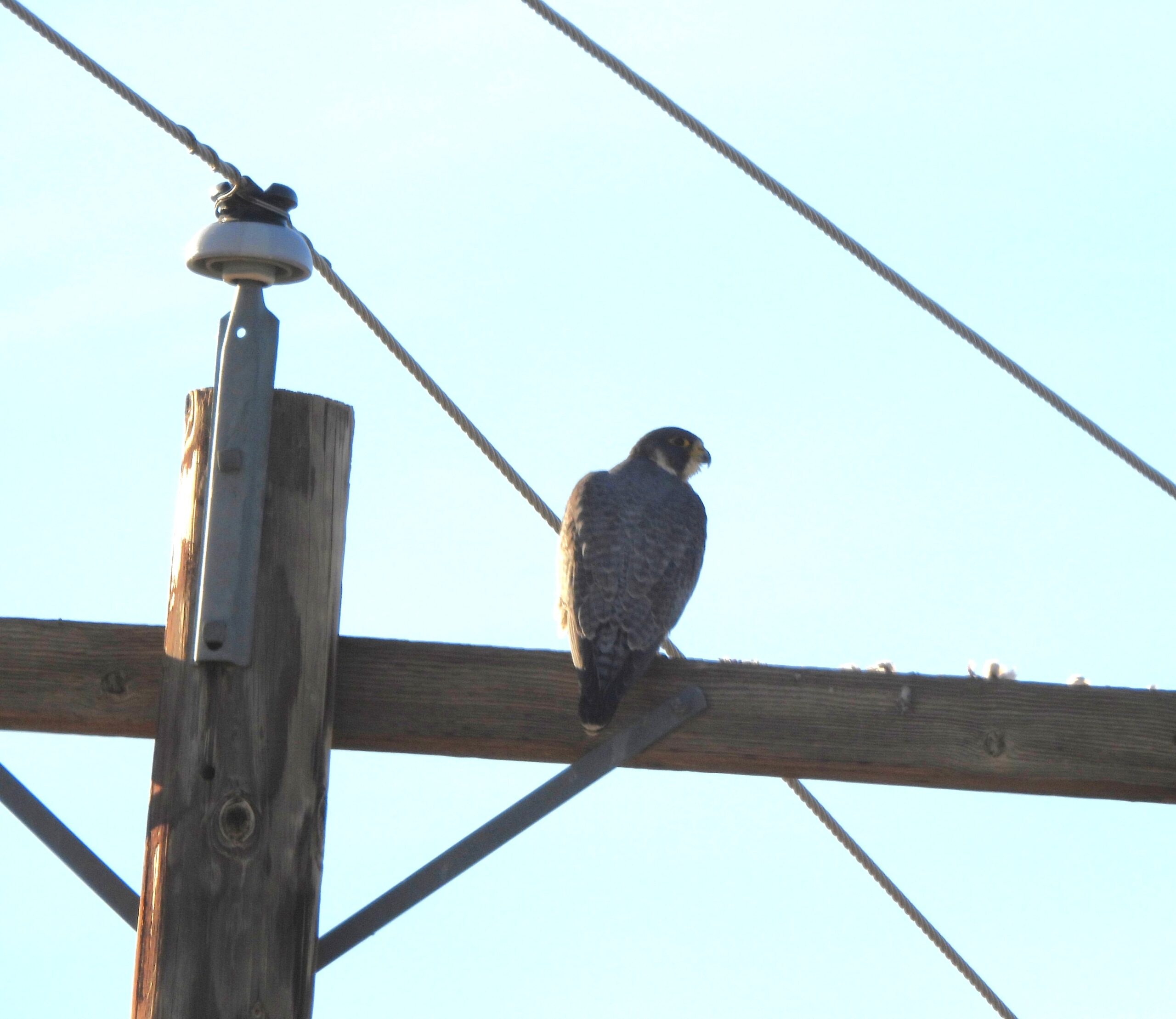
Our last day was spent north of Tucson in the large agricultural area known as the Santa Cruz Flats. Here, hay fields, cotton fields and winter wheat fields host a variety of wintering birds. Our best find (and #1 target species) was the Crested Caracara, a large, ground-dwelling bird that looks like a big falcon. We were fortunate to find three of them sitting far out in a plowed field. They hang out here because the feed on dead lambs from the local sheep farms. The winter is time for lambing in this part of Arizona. We also found a cool Ferruginous Hawk that looked to be coughing up a pellet, a beautiful Peregrine Falcon and several Lark Sparrows. It was a very productive morning of birding in a very different habitat.
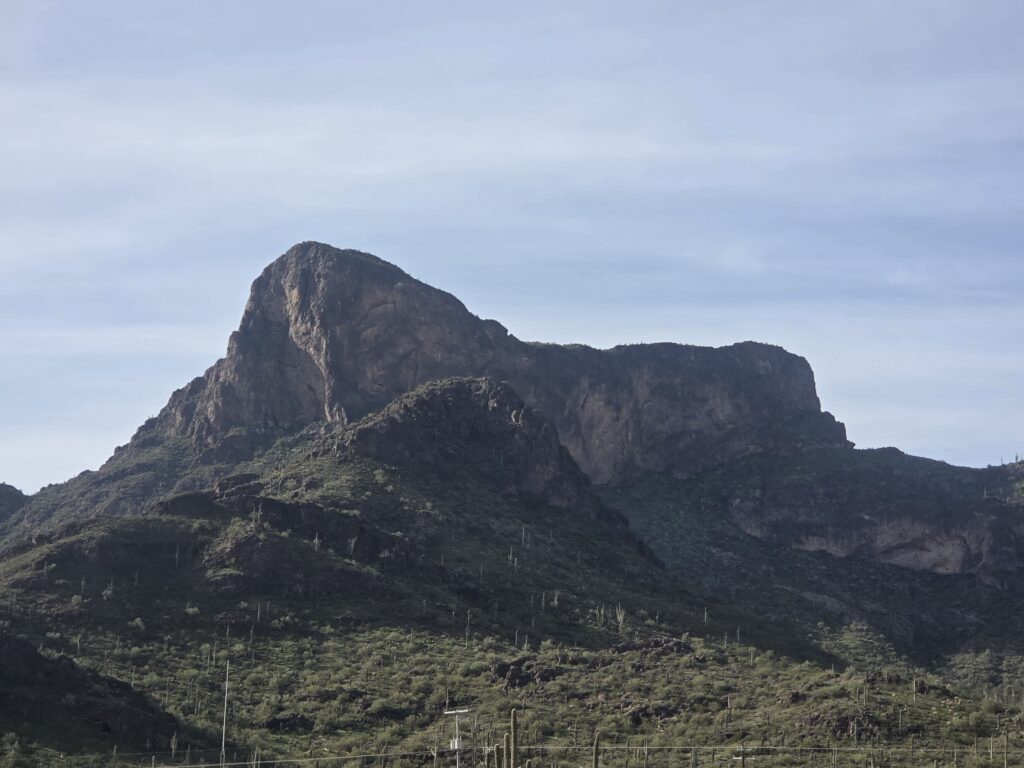
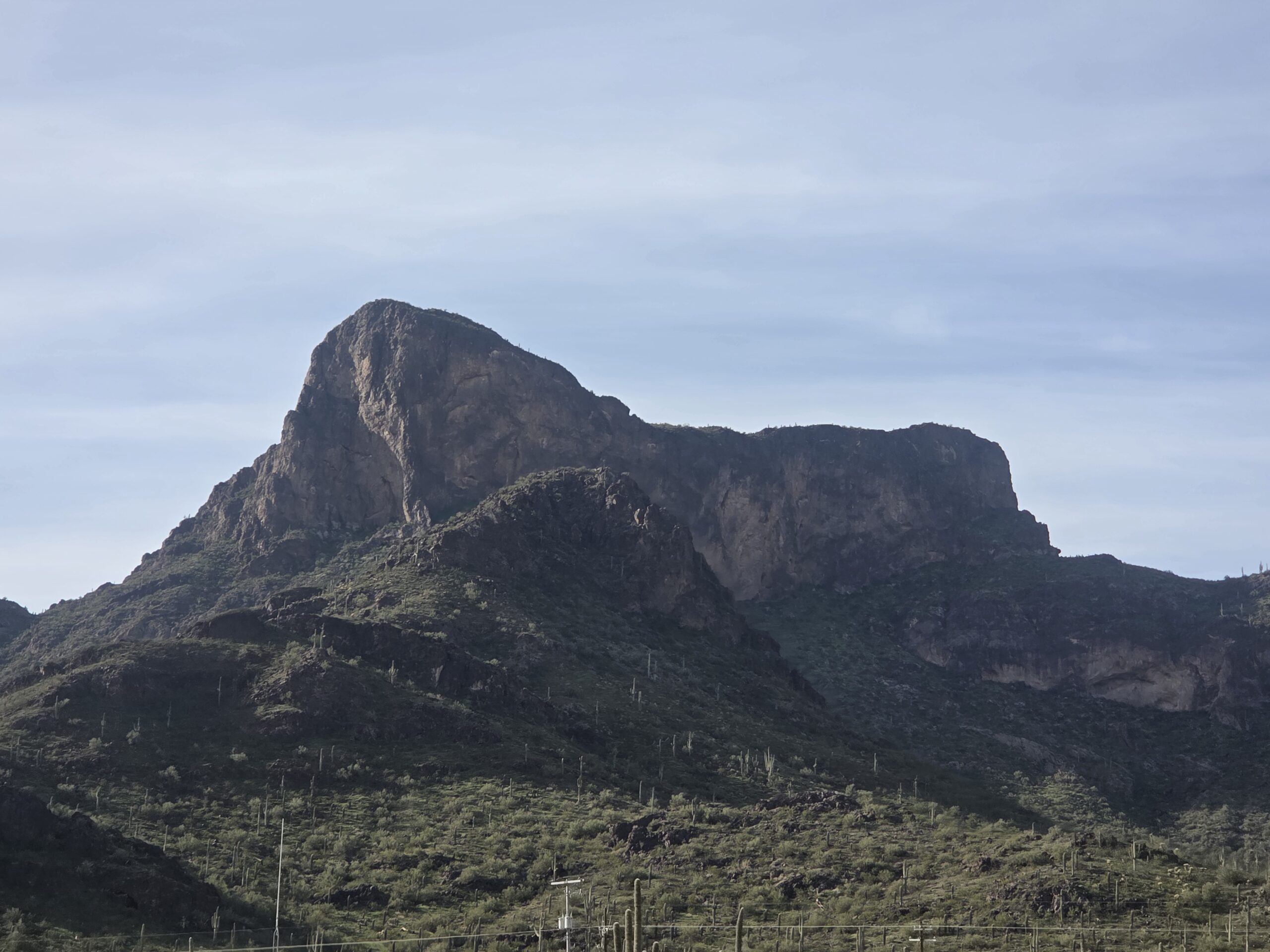
Picacho Peak near the Santa Cruz Flats 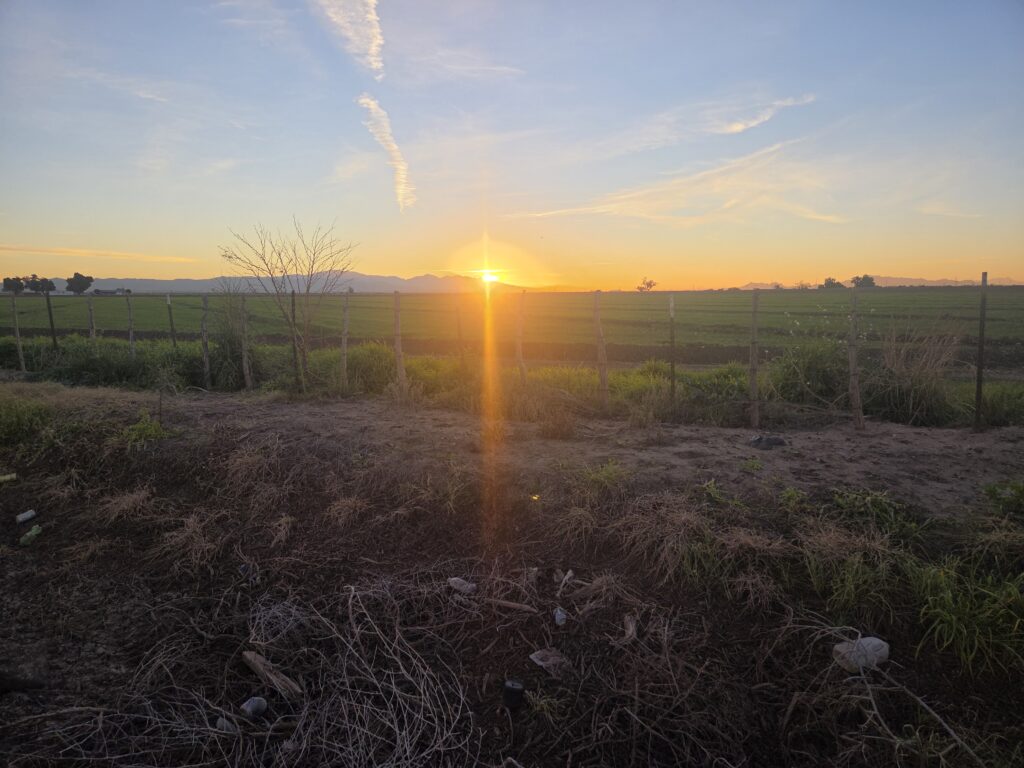
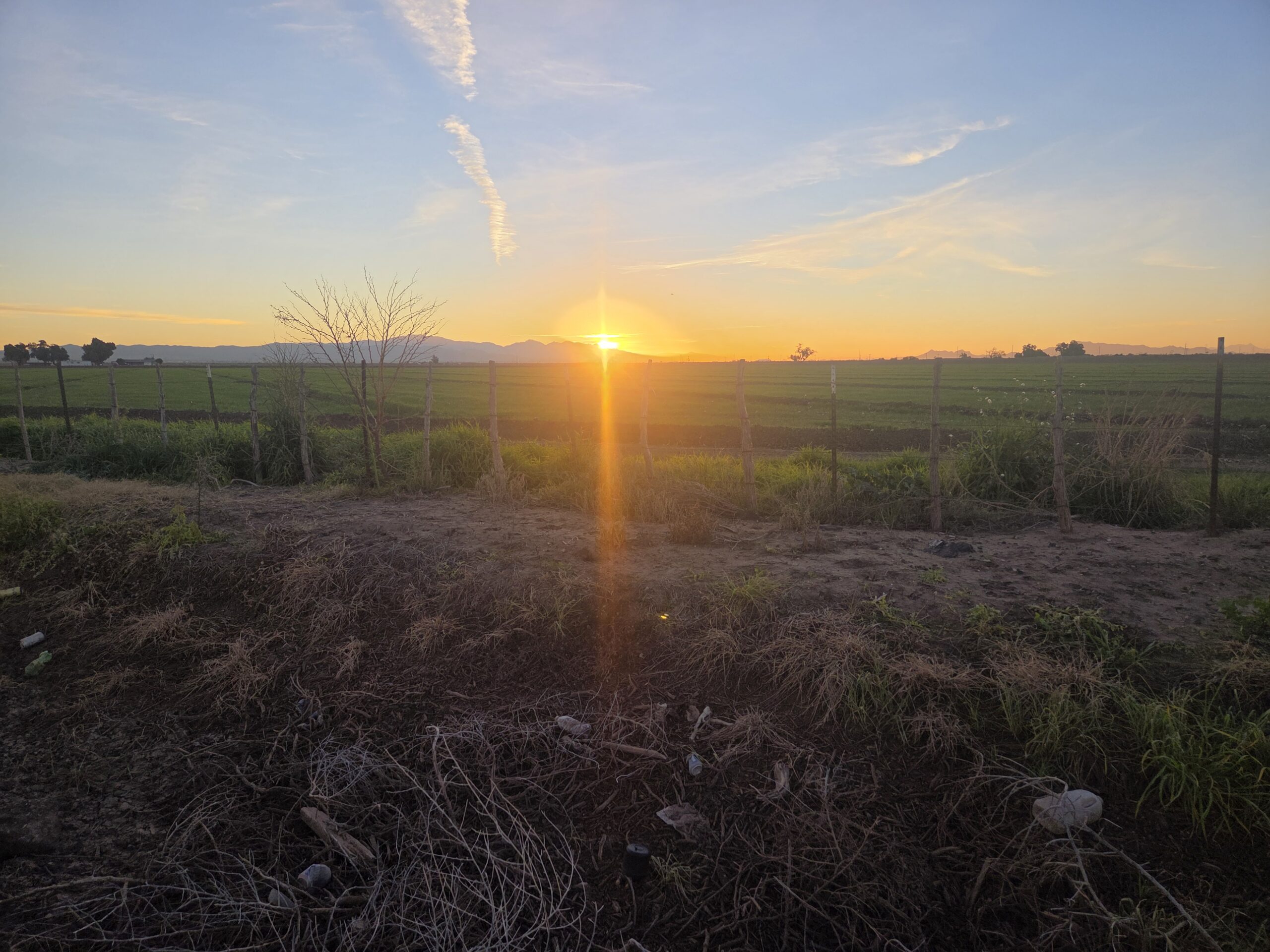
Sunrise over the Santa Cruz Flats
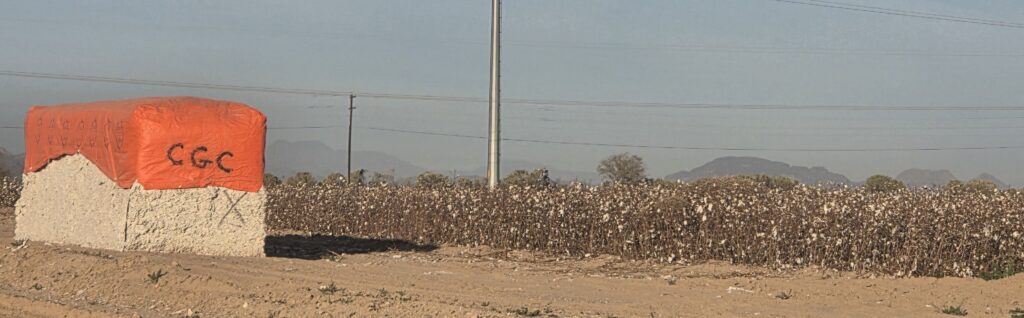
Baled cotton and cotton fields 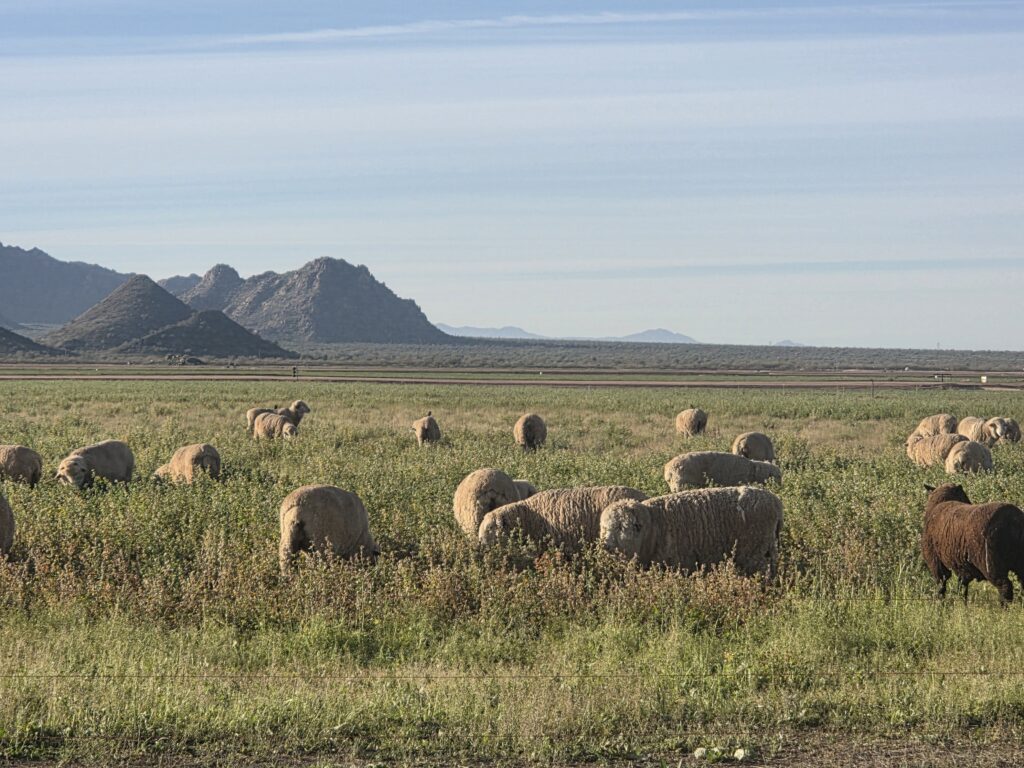
Sheep graze on the Santa Cruz Flats
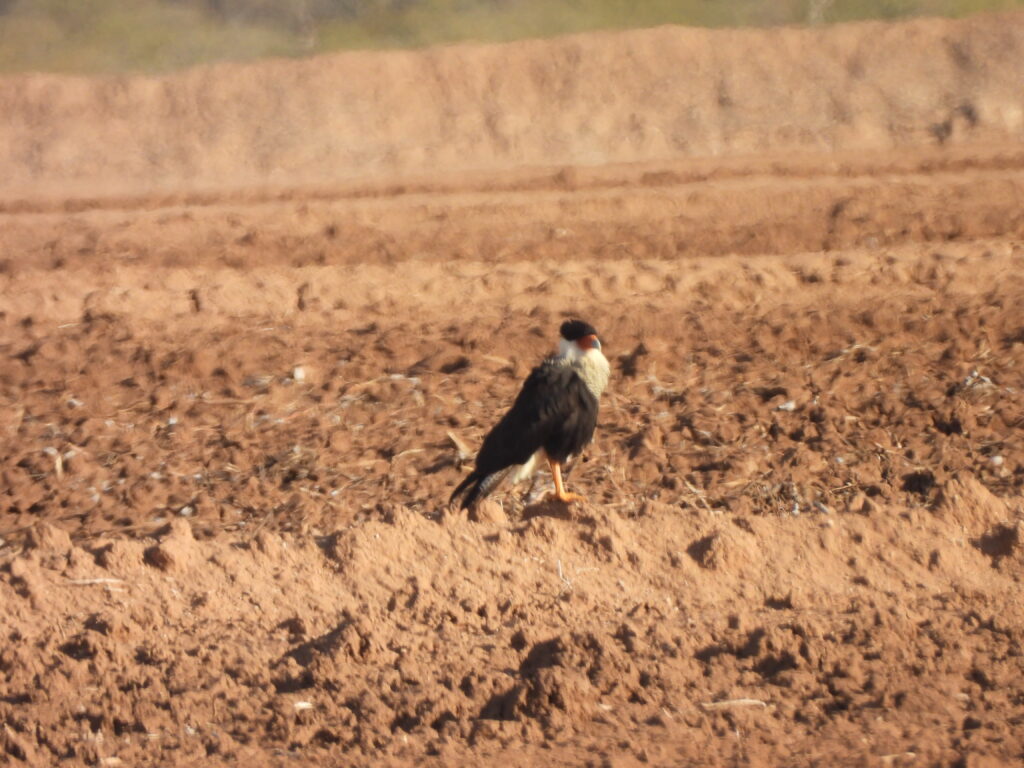
Crested Caracara 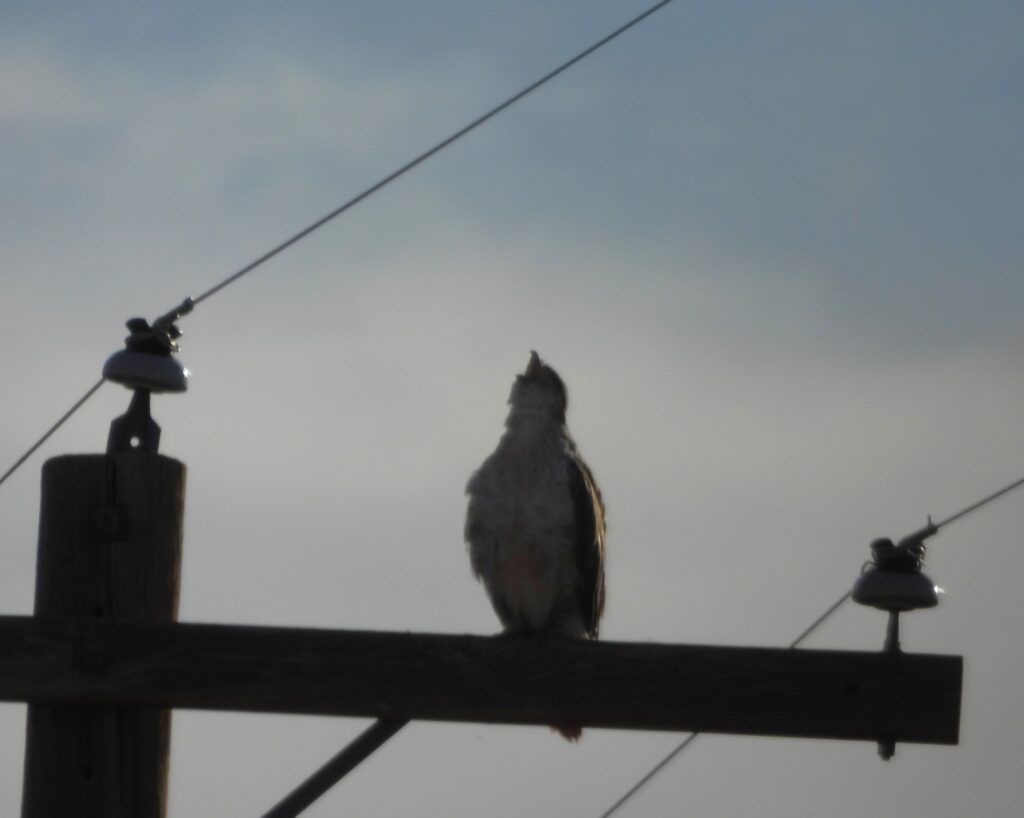
Ferruginous Hawk 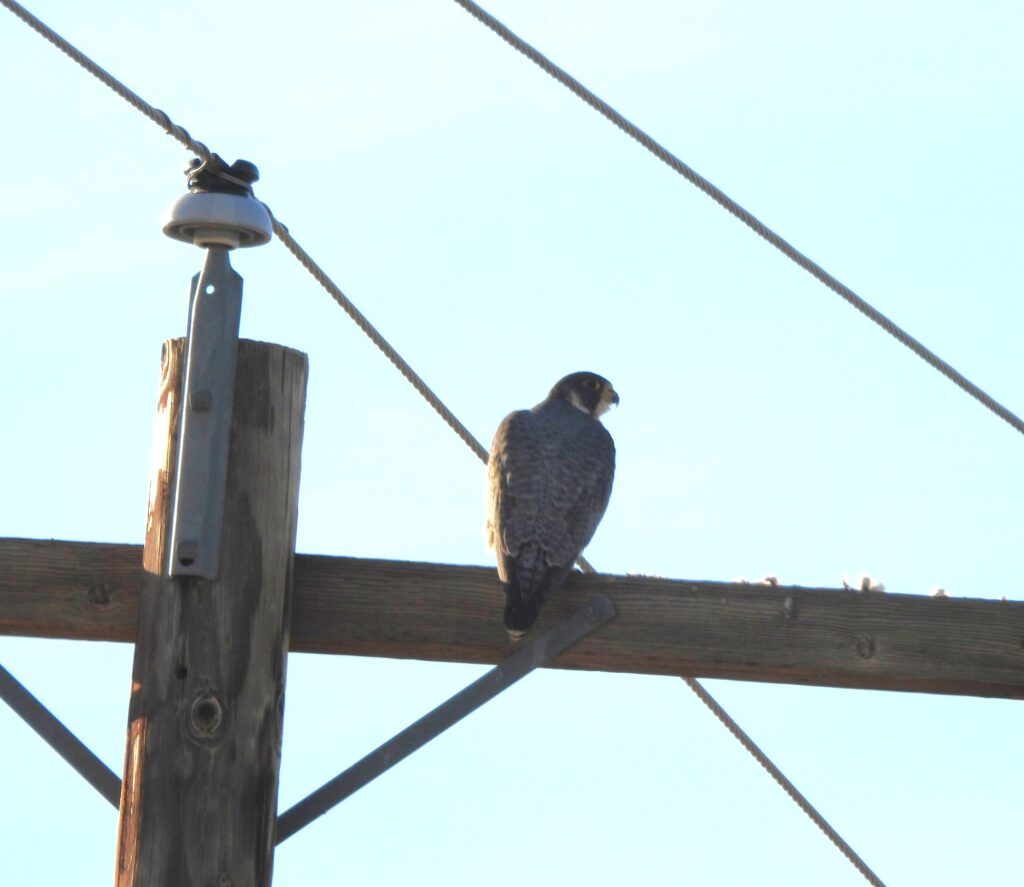
Peregrine Falcon
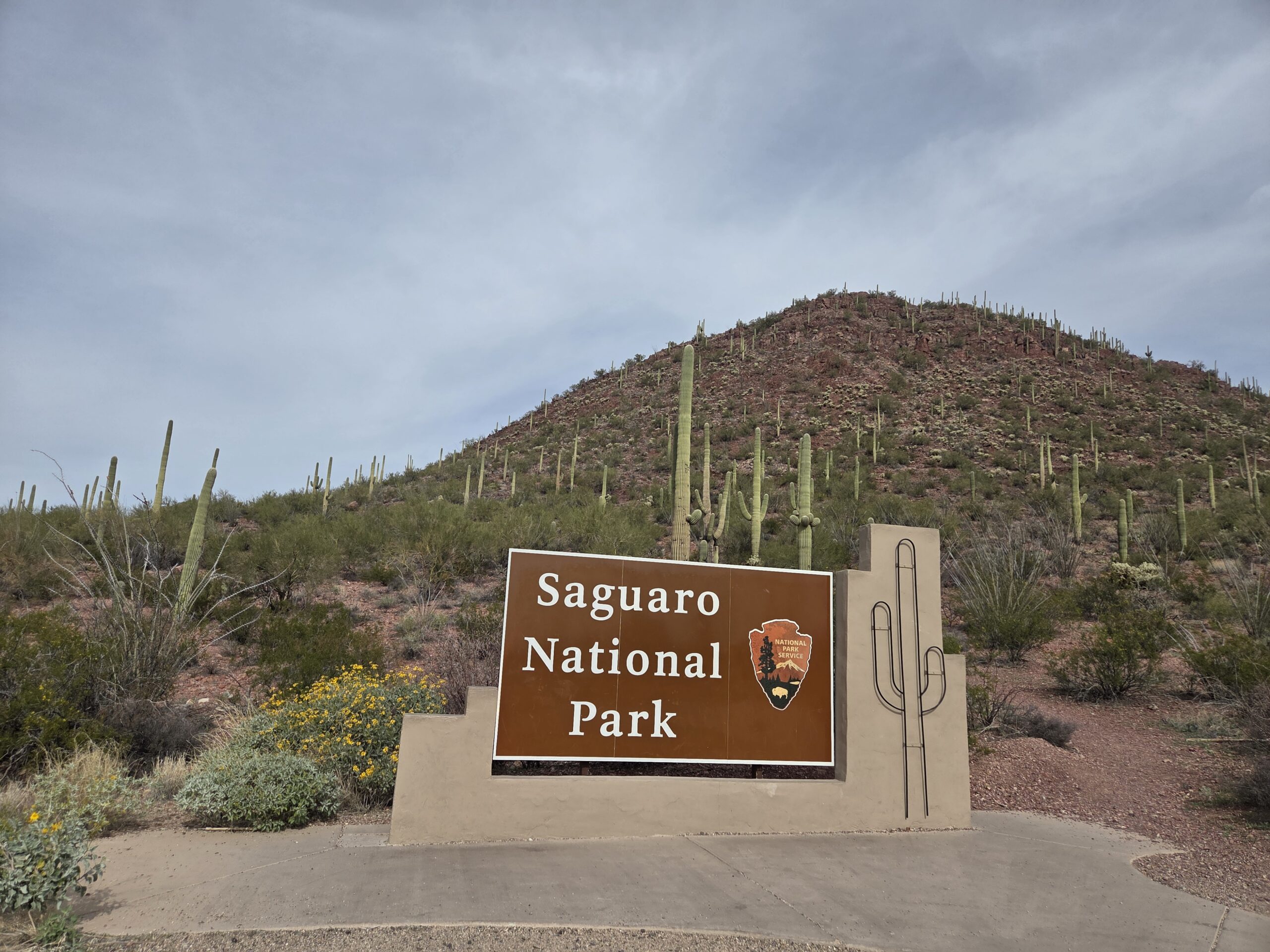
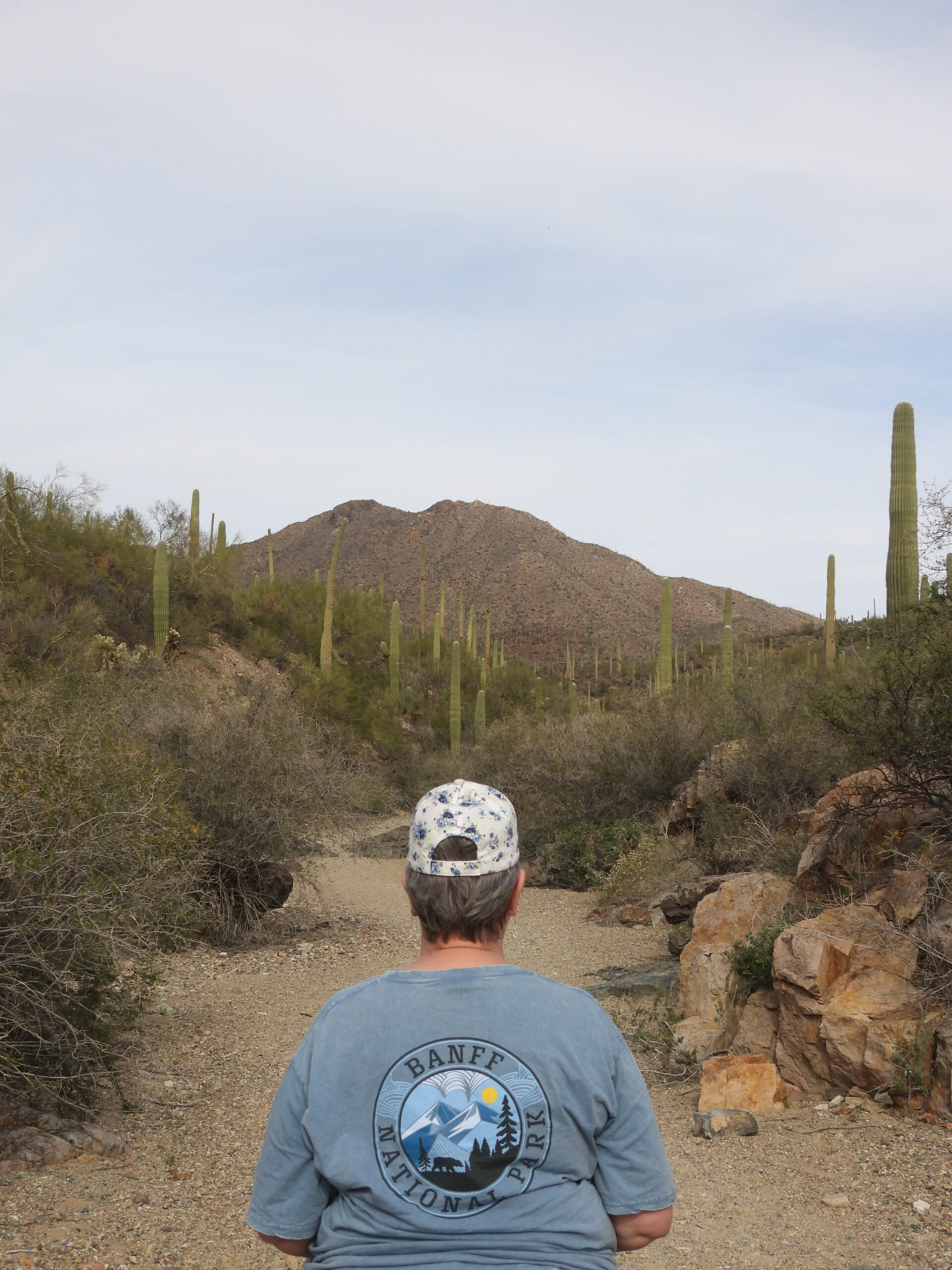
Before heading back to the airport, we ended our trip to Arizona with a short hike in Saguaro National Park. Although our trip to Tucson was too short, we really enjoyed our time birding, visiting friends, eating some delicious Mexican food and exploring the Sonoran Desert and Chiricahua Mountains. We’ll be back soon!
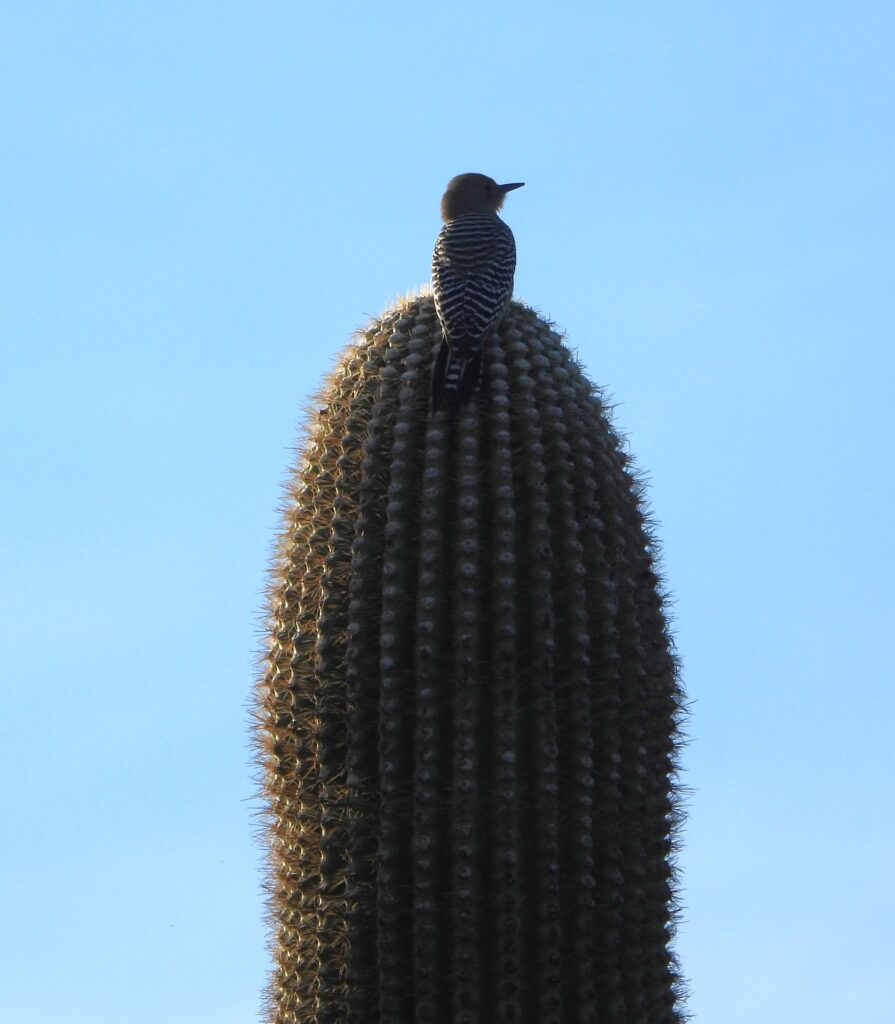
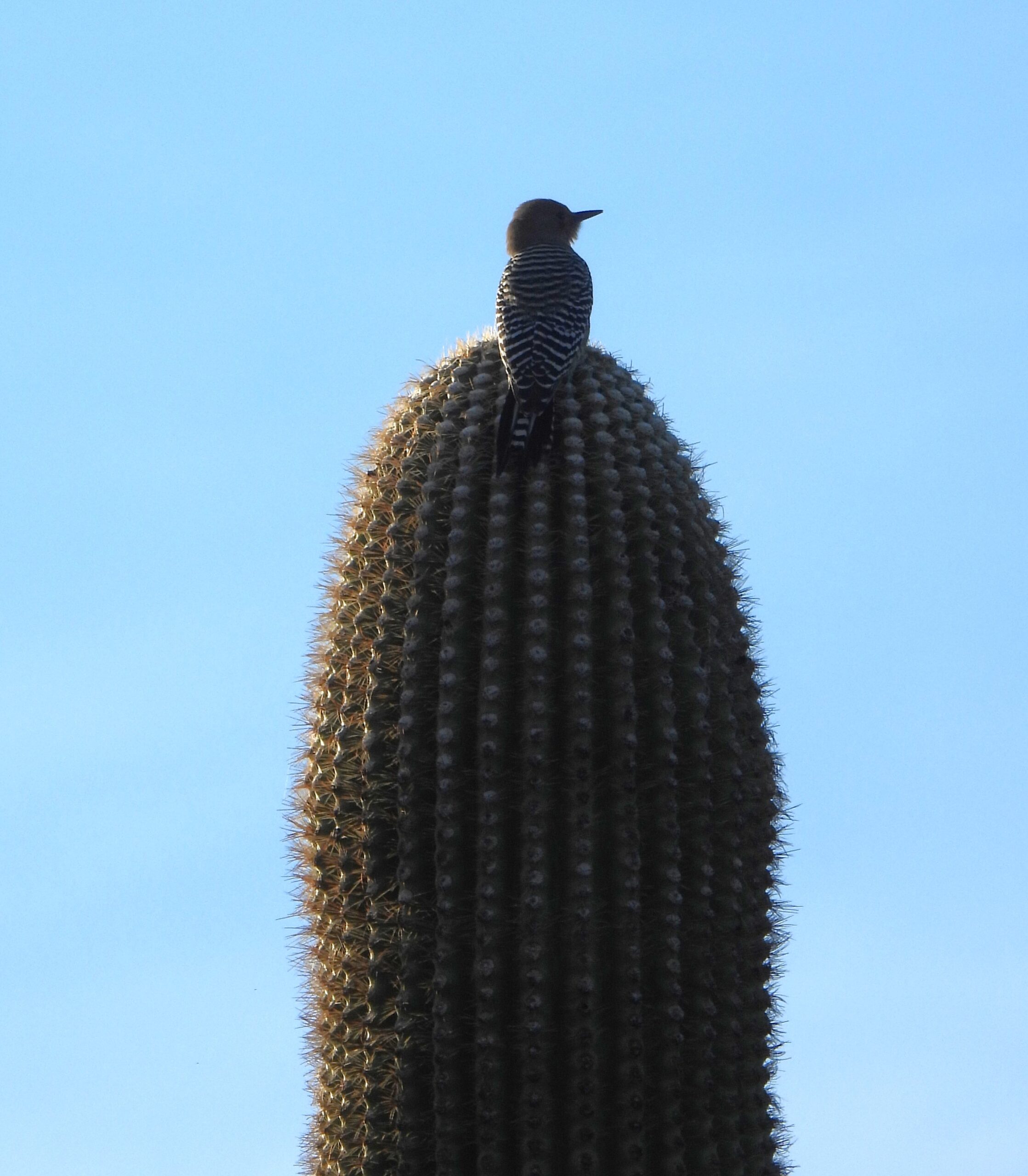
Gila Woodpecker 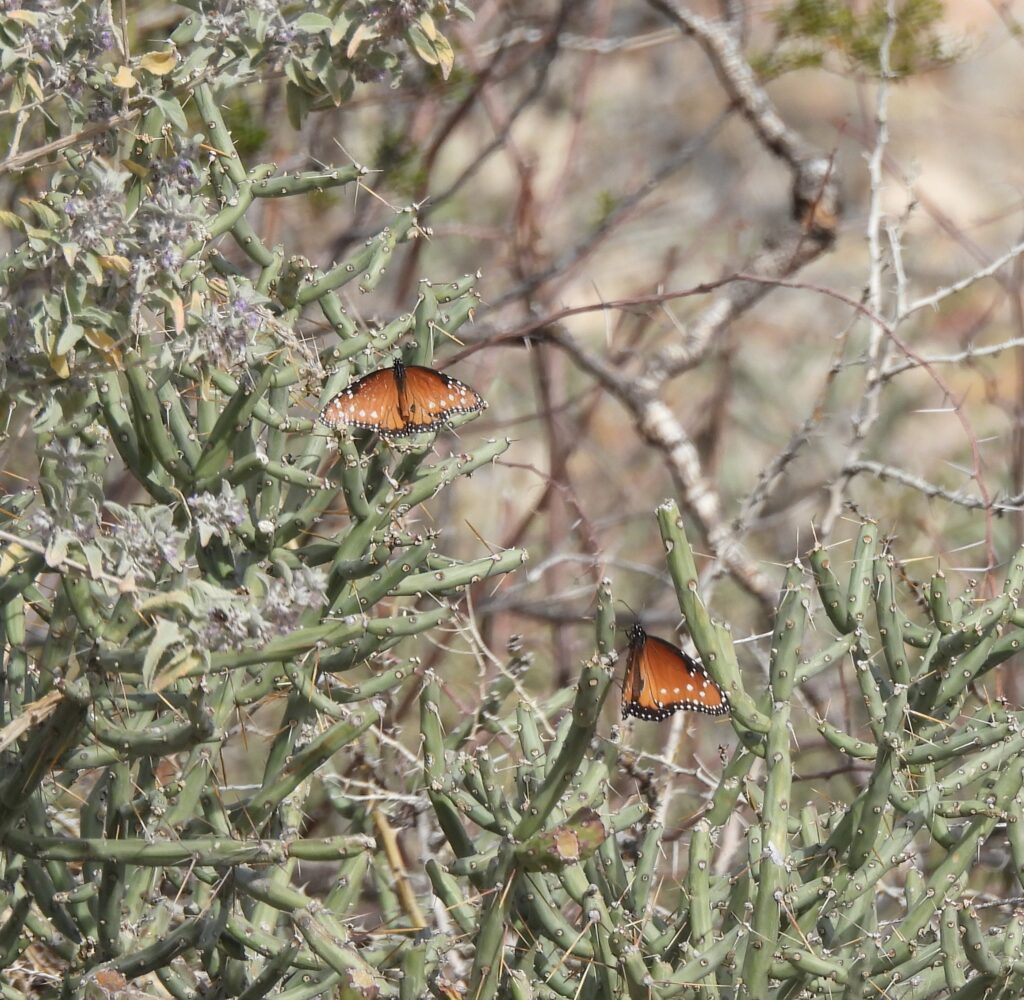
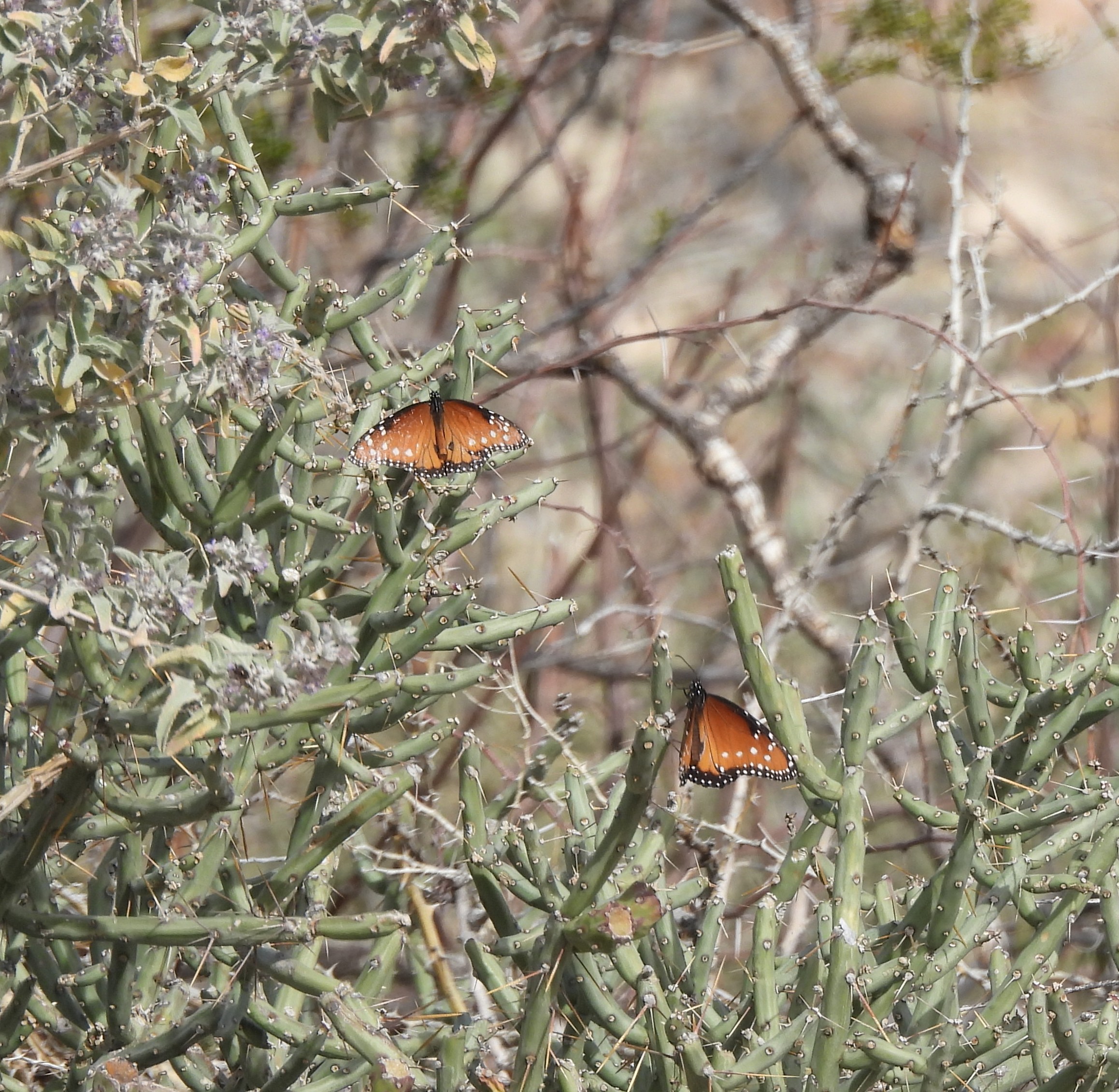
Queen Butterfly
Loved reading your blog, Rich. The photos are great, too. I think you made me seriously think about a trip out there next year – it’s been 13 years since I visited SE AZ.